
Understanding Mitsubishi Mini Split AC Systems
What is a Mitsubishi Mini Split AC?
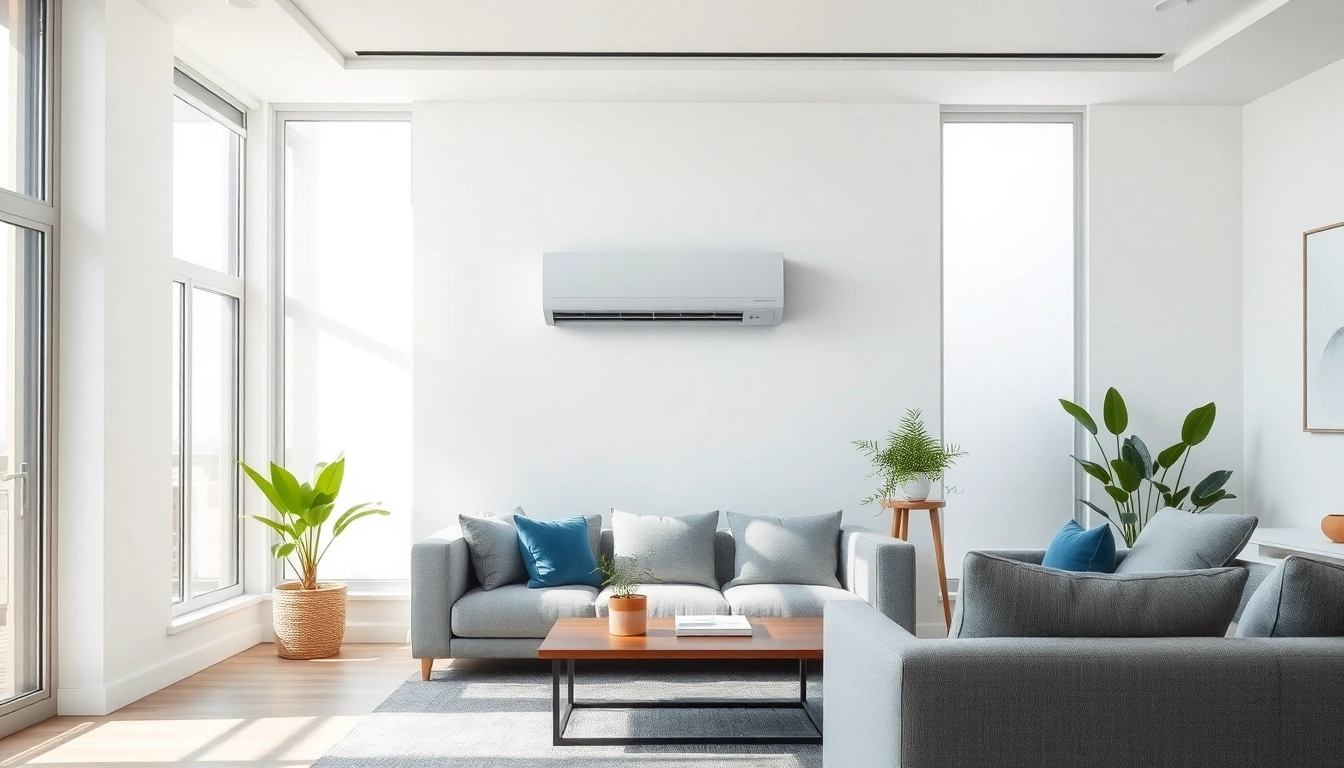
The mitsubishi mini split ac represents a cutting-edge solution to home climate control. Unlike traditional air conditioning systems that rely on ductwork, a mini split system consists of an outdoor compressor unit and one or multiple indoor air handling units. It offers versatility by providing both heating and cooling options, making it ideal for various climates.
This type of system is particularly useful in homes without existing ductwork, allowing for targeted heating and cooling solutions where needed. Its compact size and flexible installation options mean that it can fit into spaces that are otherwise difficult to climatize, resulting in a more comfortable home environment.
How Does It Work?
The operation of a Mitsubishi mini split AC system can be explained through a few key principles of thermodynamics. Each system operates on a refrigerant cycle, drawing heat from inside your home and expelling it outside, or vice versa. When cooling a space, refrigerant absorbs heat from the indoor air and releases it outside, lowered the inside temperature. In heating mode, this process is reversed, with the system absorbing heat from the outdoor air and transferring it indoors.
Each indoor unit typically includes a fan and various settings that allow users to customize their comfort levels. These indoor units can be controlled via a handheld remote or a mobile app, adding a layer of convenience for users who can adjust settings from anywhere in their home.
Key Components Explained
The main components of a Mitsubishi mini split AC system include:
- Outdoor Unit: Contains the compressor and condenser, which absorb and release heat.
- Indoor Unit: Often mounted on walls or ceilings, this unit houses the evaporator and fan, responsible for distributing conditioned air within your home.
- Refrigerant Lines: These insulated lines transport refrigerant between the indoor and outdoor units.
- Electrical Wiring: Powers the system and facilitates communication between the units.
- Remote Control: Allows users to operate and customize the settings, improving user experience.
Benefits of Using Mitsubishi Mini Split AC
Energy Efficiency vs. Traditional Systems
One of the most significant advantages of the Mitsubishi mini split AC is its energy efficiency. This system typically exceeds the efficiency of traditional ducted systems by utilizing inverter technology. Inverter-driven compressors adjust their speed according to the cooling demand, leading to reduced energy consumption. Studies show that mini splits can save homeowners up to 30% on their energy bills compared to conventional AC units.
Additionally, since no ductwork is involved, the energy losses associated with ducted systems, which can account for nearly 30% of energy consumption through leaks, are eliminated. This makes Mitsubishi mini split AC systems a cost-effective solution in the long run while also reducing the environmental footprint.
Zone Control Features
Zone control is another standout feature of Mitsubishi mini splits, allowing for customized temperature settings within different areas of your home. Each indoor unit can be controlled independently, enabling you to cool or heat only those spaces that are in use. This is particularly beneficial for larger homes or homes with varying usage patterns, as you can optimize energy usage and comfort on an individual room basis.
For instance, during the day, you might choose to cool only the living room and kitchen, while leaving bedrooms at a comfortable, higher temperature. By effectively zoning your home, you can enhance comfort levels and improve overall energy efficiency.
Quiet Operation Advantages
Mitsubishi mini split AC units are known for their quiet operation, which is especially advantageous in settings such as bedrooms, offices, or libraries. Many outdoor units are designed to operate at sound levels as low as 58 decibels, which is comparable to the sound of a quiet conversation. This means you can enjoy a comfortable environment without the distraction and annoyance of loud air conditioning units.
Furthermore, the flexibility of the indoor unit placement allows for optimized acoustics, letting you install the unit in a position that enhances air distribution while minimizing noise disruption. Homeowners often report higher satisfaction due to the serene atmosphere facilitated by these systems.
Installation Process for Mitsubishi Mini Split AC
Preparing Your Space
When considering the installation of a Mitsubishi mini split AC, preparation is crucial. Start by choosing the locations for the indoor and outdoor units. This decision will depend on various factors, including the size of the space, the layout of your home, and the distance between the indoor and outdoor units. Ensure that there is ample clearance for the outdoor unit to allow for proper airflow and maintenance access.
Next, assess the wall space where you plan to install the indoor unit. Ideally, it should be positioned high on the wall to facilitate better air distribution. Measure the distances needed for the refrigerant lines and electrical connections; having the appropriate lengths on hand will streamline the installation process.
Professional vs. DIY Installation
While DIY installation of a Mitsubishi mini split AC may seem appealing, it’s crucial to weigh the pros and cons. Professional installation guarantees that the system is correctly mounted, connections are adequately insulated, and refrigerant levels are set appropriately. Professionals also have expertise in troubleshooting potential problems before they escalate, which can save you from costly repairs down the line.
On the other hand, if you are skilled in HVAC systems and eager to take on the challenge, certain Mitsubishi models can be installed with manufacturer-provided instructions. However, be aware that improper installation may void the warranty, so weigh your confidence and skill level critically before proceeding.
Post-Installation Checklist
After installation, follow a comprehensive checklist to ensure a successful setup:
- Verify that all connections (power and refrigerant) are secure and insulated.
- Power on the system and check for proper airflow through the filters.
- Test the remote control functions, ensuring temperature settings and modes operate smoothly.
- Confirm that the outdoor unit has adequate clearance and is functioning correctly.
- Schedule the first maintenance check, ideally within the first year of operation, to ensure everything is functioning optimally.
Maintenance Tips for Mitsubishi Mini Split AC
Regular Cleaning Routines
Regular cleaning is essential for maintaining the efficiency and longevity of your Mitsubishi mini split AC. Start by cleaning or replacing the filters every month, especially during peak usage seasons. Dirty filters can reduce airflow efficiency, leading to higher energy costs and a decrease in the unit’s lifespan.
Additionally, clean the outdoor unit’s fins and remove any debris that may obstruct airflow. Avoid using a pressure washer, as this can bend the fins; instead, use a soft brush and a gentle spray of water. Routine cleaning helps ensure optimal operation and enhances indoor air quality.
Scheduled Professional Maintenance
In addition to self-maintenance, scheduling professional maintenance is crucial to catch any issues early. A qualified technician should perform a thorough inspection at least once a year, checking for refrigerant leaks, electrical connections, and mechanical integrity. Proactive maintenance creates peace of mind and ensures your system runs efficiently during peak seasons.
During these inspections, the technician can also measure the system’s performance, making adjustments as necessary, providing you with data on the cooling capacity, and ensuring everything meets recommended standards.
Troubleshooting Common Issues
Despite your best efforts at maintenance, issues can arise. Familiarizing yourself with some common problems can empower you to troubleshoot effectively:
- Insufficient Cooling: Check the filters first; they may be clogged. Ensure the outdoor unit is clear of debris.
- Strange Noises: Look for loose components or debris in the unit. If the issue persists, call a technician.
- Foul Odors: This may signify mold or mildew build-up in the unit; clean filters thoroughly and check for moisture around the indoor unit.
- Frequent Cycling: Ensure the unit is appropriately sized for the space; this issue may require professional assessment.
Choosing the Right Mitsubishi Mini Split AC Model
Evaluating Your Home’s Size
The first step in choosing a Mitsubishi mini split AC model is evaluating the square footage of the area you intend to cool. Each unit has a specified BTU rating, which indicates its cooling capacity. Accurately determining your needs involves consideration of both the overall size and the specific room dynamics—such as ceiling height, insulation quality, and sun exposure.
For example, a small room under 300 square feet may only require a system rated around 9,000 BTUs, while larger areas may need 18,000 BTUs or more. The right sizing prevents running an undersized unit that won’t cool effectively or an oversized unit that may lead to insufficient dehumidification.
Understanding Cooling Capacity
Understanding the cooling capacity of Mitsubishi mini split AC systems helps ensure that you select a model that meets your specific climate control needs. The cooling capacity is measured in BTUs (British Thermal Units), which indicates how much heat a unit can remove from a space in one hour. The higher the BTUs, the larger the volume of air the unit can effectively cool.
It’s essential to select a model that matches your environment’s demands. Check energy standards in your area, as they may provide guidelines for efficient cooling based on average temperature fluctuations throughout the year.
Comparing Features Across Models
Different Mitsubishi mini split AC models come equipped with varied features including heating capabilities, smart technology, multi-zone options, and energy efficiency ratings. Take the time to compare these features in line with your personal requirements and budget. For instance, some models come with Wi-Fi connectivity for remote operation via mobile apps, enhancing user convenience.
Additionally, consider features like air purification, humidity control, and the availability of specialized filters for allergies or asthma sufferers. The best model for you should balance cost, features, and overall efficiency without compromising comfort.
FAQs
What is the lifespan of a Mitsubishi mini split AC?
With regular maintenance, a Mitsubishi mini split AC can last anywhere from 15 to 20 years, significantly longer than many traditional AC systems.
Can I use a mini split for heating as well?
Yes, Mitsubishi mini splits come with heat pump capabilities that allow them to provide efficient heating in colder months as well.
How often should I clean or replace the filters?
Filters should be cleaned or replaced at least once a month, especially during peak usage seasons, to ensure optimal airflow and air quality.
Is a professional installation necessary?
While you can install it yourself if you’re skilled, professional installation is recommended for proper setup and to keep the warranty intact.
Can I control the units remotely?
Yes, many Mitsubishi mini split models offer remote control functionality, often accessible via mobile apps for convenience.
About the Author