Understanding Waterproof Vinyl Flooring
What is Waterproof Vinyl Flooring?
Waterproof vinyl flooring is a highly versatile and durable flooring option that features multiple layers designed specifically to withstand moisture. Unlike traditional vinyl flooring, which can damage or warp when exposed to water, waterproof vinyl is built to endure spills, splashes, and humidity, making it an ideal choice for various environments, including kitchens and bathrooms.
This type of flooring is manufactured using advanced technologies that allow for it to mimic the look and feel of natural materials such as hardwood or stone while providing superior water resistance. Its composition typically includes a backing layer, a high-density core, and a durable wear layer, often enhanced with a textured finish for added grip and aesthetic appeal. For a closer look at options, check out our waterproof vinyl flooring.
Key Features and Benefits
- Water Resistance: The most significant advantage is its ability to resist water, making it perfect for humid areas like bathrooms and kitchens.
- Durability: Waterproof vinyl flooring is designed to handle heavy foot traffic and resist scratches, dents, and stains.
- Comfort: It tends to feel softer underfoot compared to harder flooring types, providing comfort for prolonged standing.
- Low Maintenance: Requires minimal upkeep; a simple sweep and mop are usually enough to keep it clean.
- Variety of Designs: Available in various styles, colors, and textures, allowing for customization to suit personal tastes and interior designs.
- Cost-Effectiveness: More affordable than natural materials while offering similar aesthetics, making it a budget-friendly option.
Types of Waterproof Vinyl Flooring
Waterproof vinyl flooring can generally be categorized into two main types: rigid core and flexible vinyl. Each type has its unique characteristics and uses.
- Rigid Core Vinyl Flooring: This type features a thick, strong core that enhances stability and durability. Rigid core flooring is often engineered with a combination of Wood Plastic Composite (WPC) or Stone Plastic Composite (SPC), providing excellent noise insulation and comfort underfoot.
- Flexible Vinyl Flooring: Made up of multiple thin layers, flexible vinyl is more adaptable and can be installed using various methods, including glue-down or loose lay. It is lighter and typically used in residential settings.
Installation Process for Waterproof Vinyl Flooring
Preparation: Measurements and Materials
The first step in installing waterproof vinyl flooring is preparing the area. Begin by measuring the room to determine how much flooring material you’ll need, allowing for at least a 10% overage to account for mistakes and waste. Additionally, gather all necessary tools and materials, which typically include:
- Vinyl flooring planks or tiles
- Underlayment (if required)
- Utility knife for cutting
- Tape measure
- Straight edge or ruler
- Adhesive (for glue-down options)
Step-by-step Installation Guide
- Preparation of Subfloor: Ensure the subfloor is clean, dry, and level. Any imperfections can affect the final appearance and durability of the flooring.
- Acclimation: Let the vinyl planks acclimate in the room where they will be installed for at least 48 hours to avoid expansion or contraction post-installation.
- Layout Planning: Plan your layout to minimize waste and allow for a natural flow. Start installation from the center or the longest wall, depending on room shape.
- Installation: Begin laying the flooring. For floating vinyl, click the planks together. For glue-down, apply adhesive according to the manufacturer’s instructions.
- Trimming Edges: Use a utility knife to trim planks along walls or obstacles for a neat finish. Ensure a gap is left along edges for expansion.
- Finishing Touches: Install baseboards or transition strips to cover gaps and give the room a polished look.
Hiring Professionals vs. DIY
While installing waterproof vinyl flooring can be a DIY-friendly project, hiring professionals is worth considering, especially for complex layouts or large spaces. Professionals bring expertise that can minimize mistakes and ensure proper installation, potentially saving time and costs in the long run. However, for those with a knack for DIY projects, taking on the installation can offer significant savings and a sense of accomplishment.
Maintenance Tips for Waterproof Vinyl Flooring
Cleaning Best Practices
Maintaining waterproof vinyl flooring is straightforward, yet it’s essential to follow some best practices to prolong its lifespan:
- Regularly sweep or vacuum to remove dirt and debris that can scratch the surface.
- For deep cleaning, use a damp mop with a mild detergent designed for vinyl flooring, avoiding harsh chemicals that could damage the surface.
- Immediately wipe up spills to prevent slipping hazards and potential discoloration.
Long-term Care and Preservation
To ensure longevity, keep the flooring out of direct sunlight to prevent fading and use rugs or mats in high-traffic areas. Additionally, implement an annual deep cleaning schedule to refresh the floor’s appearance and remove any ground-in dirt that may accumulate over time.
Common Mistakes to Avoid
- Neglecting to acclimate flooring material before installation can lead to buckling or gapping.
- Using harsh cleaning agents can degrade the vinyl surface over time.
- Failing to leave expansion gaps around edges can cause the flooring to warp under temperature changes.
Design Inspirations with Waterproof Vinyl Flooring
Color Schemes and Styles
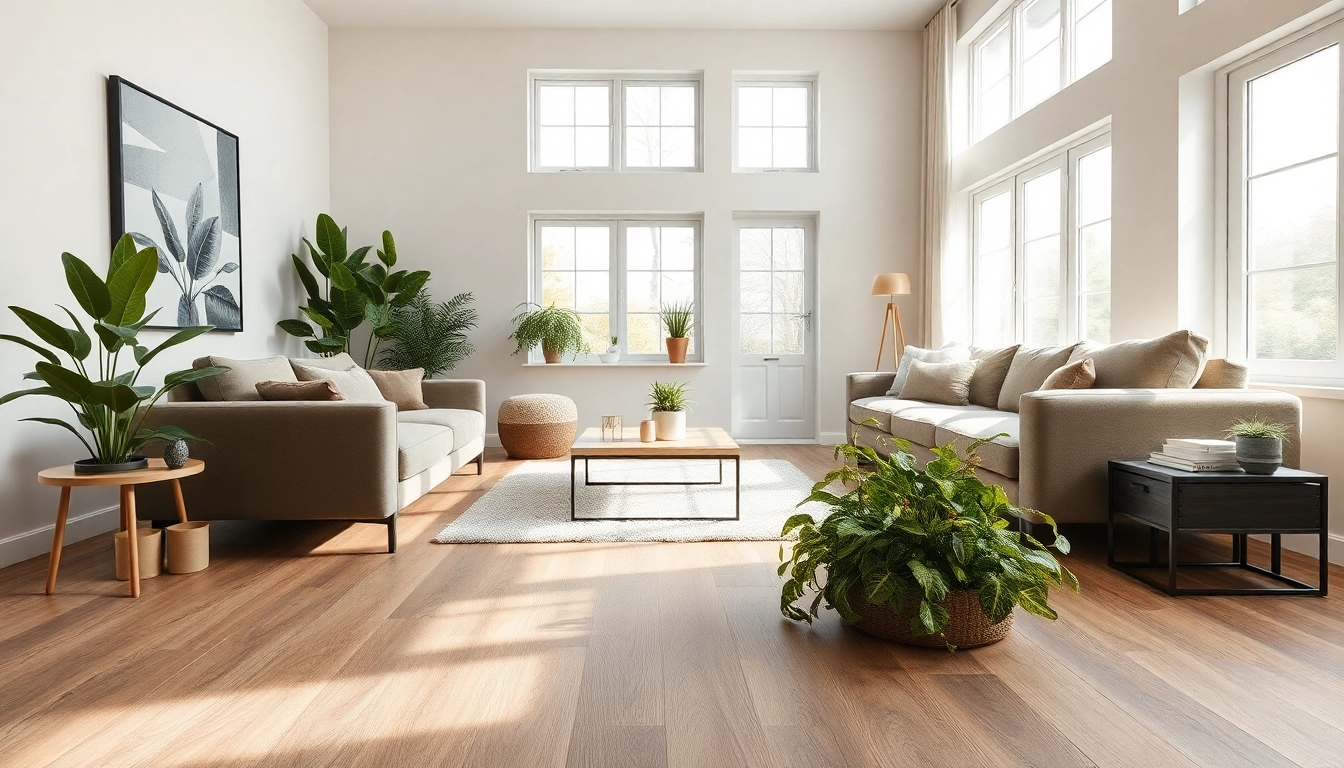
Waterproof vinyl flooring is available in a plethora of colors, finishes, and patterns, allowing for creative design possibilities. Popular trends include natural wood finishes, sleek grey tones, and even bold patterns for a statement look. Pairing these styles with complementary wall colors and furniture can elevate your interior décor dramatically.
Placement Ideas in Various Rooms
This versatile flooring can be installed in various rooms, each serving a distinct purpose:
- Kitchens: Opt for realistic wood or tile designs to instill warmth while ensuring practicality.
- Bathrooms: Choose lighter colors to create an illusion of space and match other fixtures.
- Living Rooms: Consider larger planks to accentuate open spaces and provide comfort underfoot.
Combining with Other Flooring Types
Waterproof vinyl flooring can seamlessly blend with other flooring types. For instance, transition strips can elegantly connect vinyl with hardwood or tile, providing both aesthetic appeal and practicality. This approach allows for distinct areas while maintaining a cohesive look across the home.
FAQs about Waterproof Vinyl Flooring
Is waterproof vinyl flooring suitable for bathrooms?
Yes, waterproof vinyl flooring is an excellent choice for bathrooms as it resists moisture and prevents mold growth.
How do I clean my waterproof vinyl flooring?
Use a damp mop with mild detergent to regularly clean waterproof vinyl flooring, avoiding harsh chemicals.
Can waterproof vinyl flooring be installed over existing floors?
Yes, waterproof vinyl flooring can often be installed over existing floors, but ensure they’re level and clean.
What is the lifespan of waterproof vinyl flooring?
When properly maintained, waterproof vinyl flooring can last 10 to 20 years, depending on quality and usage.
Is waterproof vinyl flooring eco-friendly?
Look for options with low VOCs and recycle-friendly materials to find more eco-friendly waterproof vinyl flooring choices.
About the Author