
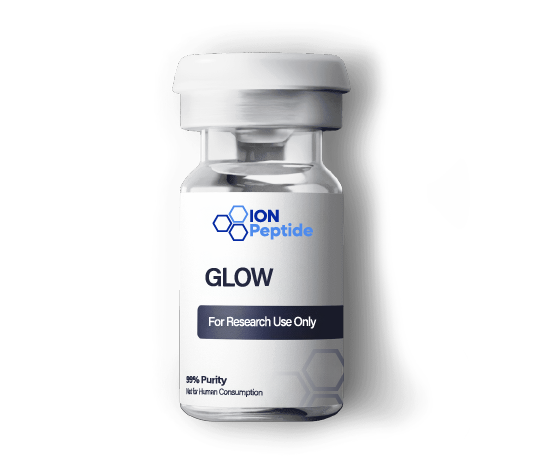
Understanding Peptide Compounds
What Are Peptides?
Peptides are short chains of amino acids, the building blocks of proteins. These compounds form when amino acids unite through peptide bonds. Unlike proteins, which can comprise hundreds or thousands of amino acids, peptides generally consist of 2 to 50 amino acids. Their structure allows them to perform various biological functions, including acting as hormones, neurotransmitters, and immune system modulators. In recent years, the exploration of peptides has gained significant momentum due to their potential applications in health, wellness, and cosmetic science.
Types of Peptides and Their Functions
Peptides can be categorized based on their size, structure, and functions. Some common types include:
- Signal Peptides: These peptides signal cells to initiate specific biological processes, such as stimulating growth or producing hormones.
- Antimicrobial Peptides: These play a crucial role in the immune system by targeting and neutralizing bacteria, fungi, and viruses.
- Neuropeptides: These are involved in transmitting signals in the nervous system, influencing various functions from mood to pain perception.
- Carrier Peptides: These help transport minerals within the body and can enhance the effectiveness of other compounds and drugs.
Basics of Peptide Synthesis
Peptide synthesis typically occurs through two primary methods: solid-phase synthesis and liquid-phase synthesis. Solid-phase synthesis is the most prevalent and involves attaching the first amino acid to a solid support. Subsequent amino acids are added sequentially, creating a growing chain. Liquid-phase synthesis, on the other hand, occurs in a solution and is less commonly used due to challenges in purification. Understanding these synthesis methods is crucial for the development and availability of peptide compounds for research, medicine, and cosmetic applications.
Benefits of Peptide Research
Enhancing Health and Wellbeing
Peptide research holds promising potential for enhancing health and well-being through various mechanisms. For example, peptides can modulate metabolic processes, support tissue repair, and influence immune responses. Certain peptides have been studied for their role in weight management, athletic performance, and recovery. Additionally, specific peptides are being investigated for their ability to rejuvenate skin cells and promote a youthful appearance, making them increasingly popular in wellness and cosmetic applications.
Applications in Cosmetic Science
The application of peptides in cosmetic science is a rapidly growing field. Peptides can enhance skin barrier function, stimulate collagen production, and improve skin elasticity, leading to noticeable anti-aging effects. Products containing peptides have been found to reduce fine lines, wrinkles, and overall skin texture. By integrating GLOW peptides into skincare routines, consumers can enjoy visible results and support skin health from within.
Potential in Disease Treatment
Peptides are increasingly being recognized for their therapeutic potential in disease treatment. Research indicates that certain peptides can bind to specific receptors, impacting disease pathways. For instance, peptide therapies have shown efficacy in managing conditions such as diabetes, cancer, and autoimmune diseases. Ongoing studies aim to better understand the mechanisms through which peptides act, ultimately leading to more effective and personalized treatment options.
GLOW and Its Role in Peptide Innovation
Mechanism of Action of GLOW
GLOW operates through a unique mechanism of action that targets specific cellular pathways. By stimulating collagen synthesis and enhancing skin hydration, GLOW promotes a healthier and more radiant complexion. It interacts with skin receptors, promoting cellular communication and tissue regeneration, which is critical for maintaining youthful skin. Understanding this mechanism is essential for formulating effective products that leverage the power of peptides for beauty and wellness.
Comparative Analysis with Other Peptides
When compared to other popular peptides in the beauty industry, GLOW stands out due to its versatility and efficacy. For example, while many peptides focus solely on hydration, GLOW enhances multiple facets of skin health, including elasticity and tone. Peptides like Matrixyl or Argireline may primarily target fine lines, but GLOW offers a holistic approach, aiming to rejuvenate the skin on various levels. This comparative advantage positions GLOW as a leader in peptide-based skincare innovations.
Real-world Impact of GLOW on Research
Recent studies showcasing GLOW’s effects highlight its influence on advancing peptide research. The peptides within GLOW are being extensively studied for their impact on cellular repair mechanisms. Researchers note a significant decrease in signs of aging among participants using products fortified with GLOW peptides in clinical trials. The positive outcomes not only validate the effectiveness of such compounds but also encourage further exploration into their potential benefits across diverse environments.
Best Practices for Using Peptide Compounds
Guidelines for Safe Application
To maximize the benefits of peptide compounds, adhering to safety guidelines is crucial. Always conduct patch tests prior to full application to ensure no adverse reactions occur. It is also advisable to consult health professionals or dermatologists, especially when incorporating new products into existing routines. Following manufacturer instructions regarding applications will optimize results and ensure skin safety. Users should also avoid mixing products, as interactions can diminish effectiveness.
Storage and Handling of Peptide Products
Proper storage of peptide products is essential to maintain their integrity. Most peptides require cool, dry storage away from direct sunlight. Refrigeration can enhance their shelf life, particularly for unstable peptides. To prevent contamination, always use clean tools for application. Adhering to these practices ensures that peptides remain effective and safe over time, enabling users to fully harness their benefits.
Understanding Dosage Recommendations
The dosage of peptide products varies based on concentration and individual skin types. It is critical to follow dosage recommendations provided by manufacturers and to refrain from exceeding suggested use. Starting with lower concentrations and gradually increasing as per your skin’s tolerance can also be effective. Consulting professionals on personalized routines ensures that the obtained results align with individual skincare goals while minimizing risks.
Future Trends in Peptide Research
Emerging Technologies and Techniques
The future of peptide research is set to be dynamic, given the rapid pace of technological advancement. Innovations in biotechnological techniques, including CRISPR and advanced synthesis methods, allow for the creation of more effective and specialized peptides. This development fosters the exploration of tailored peptide therapies, which can address unique health needs and skin conditions more precisely.
Regulatory Landscape for Peptides
As the interest in peptide-based products grows, the regulatory landscape is evolving to ensure consumers’ safety. Regulatory bodies are beginning to establish guidelines and standards specific to peptide compounds, necessitating transparent testing and labeling practices. This evolution is important for fostering consumer trust and promoting responsible innovation in the peptide industry.
Predictions for Upcoming Research
Upcoming research is expected to delve deeper into the multitude of biological functions that peptides can facilitate. We may see an increase in multifaceted peptide therapies that not only target skin health but overall wellness, including metabolic support and disease prevention. Collaborative efforts between scientists and the skincare industry will likely accelerate discoveries that push the boundaries of what is currently understood about peptide capabilities.
Frequently Asked Questions
What are the main benefits of using peptides?
Peptides can enhance skin hydration, stimulate collagen production, and improve skin elasticity, promoting a healthier, more youthful appearance.
How should I store peptide products?
Store peptide products in a cool, dry place and protect them from direct sunlight. Refrigeration can help preserve their effectiveness.
What is the best way to apply peptide skincare products?
Apply peptide products on clean, dry skin, typically after cleansing and toning. Follow the manufacturer’s instructions for optimal results.
Are there side effects associated with peptide use?
While peptides are generally safe, some may experience minor skin irritation. It’s advisable to conduct a patch test before full application.
Can peptides be used alongside other skincare ingredients?
Yes, peptides can complement various skincare products. However, consult a dermatologist to ensure compatibility and avoid potential interactions.
About the Author