
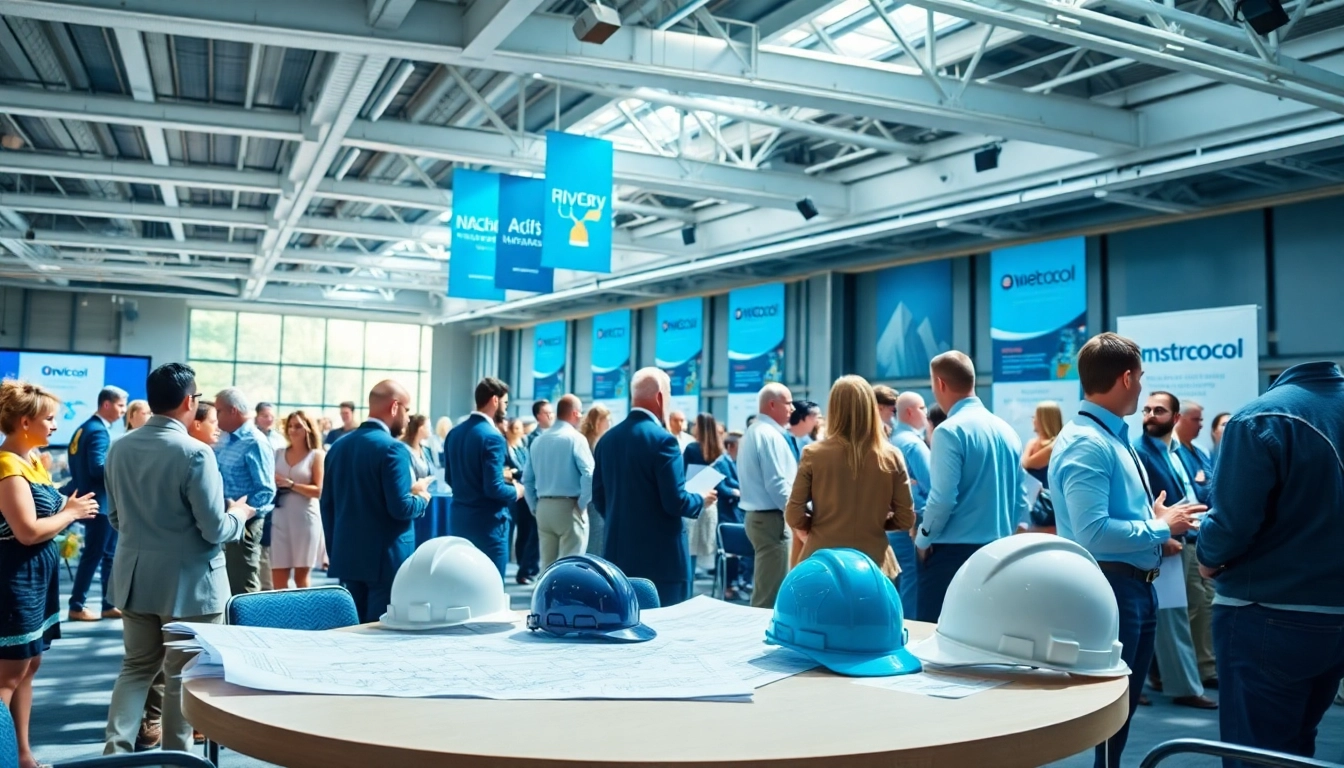
Understanding Construction Networking Events
Definition and Purpose
Construction networking events serve as crucial platforms where industry professionals gather to exchange ideas, foster relationships, and explore potential collaborations. These gatherings can take various forms, including expos, seminars, workshops, and informal meetups. The primary purpose of these events is to reduce barriers within the industry, facilitate knowledge sharing, and expand professional networks, all of which are vital in a field that thrives on collaboration and partnership. Engaging in construction networking events can lead to connections that might result in lucrative projects or partnerships in the future.
Importance in the Industry
The construction industry is uniquely complex, involving various stakeholders such as contractors, suppliers, architects, engineers, and regulatory bodies. Networking events play a pivotal role in uniting these stakeholders, promoting collaboration across disciplines. By participating in these events, professionals can stay abreast of industry trends, updates on technologies, regulatory changes, and best practices, which are essential for remaining competitive. Such knowledge not only enhances individual skills but also improves the overall effectiveness of their organizations.
Key Participants and Stakeholders
Key participants at construction networking events include contractors, real estate developers, architects, engineers, project managers, and suppliers. Each participant contributes unique insights and experiences, enriching the event’s potential. Industry associations, governmental representatives, and academic institutions can also play crucial roles, providing resources and research that benefit all attendees. With such a broad range of expertise, the events promote a richer dialogue and a greater chance of forging valuable connections.
Planning Effective Construction Networking Events
Setting Clear Goals
Effective planning starts with defining specific, measurable goals for the event. Are you looking to increase brand awareness, generate leads, or facilitate collaborations? Establishing clear objectives will guide every aspect of the event, from the choice of topics to the selection of speakers and activities. Conducting a needs assessment with potential participants can provide insights that shape these goals. This stakeholder involvement ensures that the event addresses real challenges and interests within the industry.
Choosing the Right Venue
The venue can significantly impact the success of a networking event. Factors to consider include the expected number of participants, accessibility, amenities, and overall atmosphere. A well-chosen venue fosters an environment conducive to networking, featuring areas for informal discussions and areas designated for presentations or workshops. Moreover, it should reflect the professionalism of the industry while accommodating the logistical needs of the event, such as audio-visual requirements and catering options.
Developing an Engaging Agenda
An effective agenda should strike a balance between structured presentations and opportunities for open networking. Including keynote speakers who are leaders in the construction sector can inspire attendees and draw interest. Following presentations with Q&A sessions or panel discussions encourages dialogue, while structured networking breaks allow attendees to mingle and connect. Additionally, consider incorporating interactive components, such as real-time polls or case study discussions, to enhance engagement.
Marketing Your Construction Networking Events
Utilizing Social Media
Social media is a powerful tool for promoting construction networking events. Platforms such as LinkedIn, Twitter, and Facebook can be used to reach a broader audience. Create event pages, share regular updates, and engage with followers by offering sneak peeks of what they can expect at the event. Using hashtags related to the event can help to unify conversations and increase visibility. Visual content, including videos and images, can be particularly effective in capturing attention and generating excitement.
Collaborating with Industry Partners
Collaboration with industry partners can enhance credibility and draw in larger audiences. Partnering with respected associations or influential professionals can help extend the event’s reach through their networks. Consider co-hosting the event with an organization that shares similar goals. This collaboration not only facilitates cross-promotion but also enriches the event’s content with diverse perspectives and expertise.
Effective Promotion Strategies
A multi-faceted promotion strategy is key to attracting diverse participants. Email campaigns, direct outreach to past attendees, and leveraging industry newsletters can nurture interest and draw in registrations. Early-bird pricing or group discounts can incentivize sign-ups. Additionally, utilizing event platforms that specialize in the construction industry ensures the information reaches those who will find it most relevant. Testimonials from previous events can further validate the event’s value, encouraging attendance.
Maximizing Engagement During Events
Creating Interactive Experiences
Engagement is critical to the success of networking events. Consider incorporating breakout sessions where participants can discuss topics in smaller groups, fostering more meaningful conversations. Interactive workshops where attendees can collaborate on challenges or projects can also enhance the learning experience. Using technology, such as event apps, can facilitate real-time interactions and help attendees schedule meetings with one another throughout the event.
Facilitating Meaningful Connections
Facilitating connections between attendees should be a priority during networking events. Provide name tags that indicate areas of expertise or interests, allowing participants to identify potential connections easily. Icebreaker games or structured networking activities can also help attendees initiate conversations. Setting specific times for networking activities and providing comfortable areas for informal interactions encourages a more relaxed environment where meaningful connections can flourish.
Collecting Feedback for Improvement
Feedback is invaluable for continuous improvement of networking events. Distributing surveys at the close of the event can provide insights into what worked well and what areas require adjustment. Consider asking for suggestions on topics for future events or changes that would enhance the experience. This feedback helps to tailor future events more closely to attendee preferences and strengthens relationships as attendees see their input valued.
Measuring the Success of Networking Events
Setting Metrics for Evaluation
A successful evaluation process involves setting Key Performance Indicators (KPIs) that align with the goals established during the planning phase. Metrics may include attendance numbers, engagement levels during sessions, the number of connections made, or follow-up collaborations initiated. Analyzing these metrics helps assess the event’s impact and informs future planning. The benefits of measuring success extend beyond immediate outcomes, as they provide a clearer picture of the event’s return on investment.
Analyzing Participant Feedback
Post-event analysis involves more than reviewing quantitative data; qualitative feedback is equally important. Understanding attendee experiences through open-ended survey questions can highlight strengths and areas for improvement not captured by metrics alone. Pay attention to recurring themes in feedback, as these insights will help enhance future events and better meet participant expectations. This analysis ultimately fosters a community focused on growth and improvement.
Continuous Improvement for Future Events
Networking events should not be static; continual enhancement is vital to meeting evolving industry needs. Utilize the evaluations and feedback collected to inform changes for subsequent events. This could involve adapting the format, introducing new technologies, or changing the event’s location. Emphasizing a culture of continuous improvement can lead to increased participant satisfaction and retention over time, positioning your events as indispensable within the industry.
Frequently Asked Questions
What are construction networking events?
Construction networking events are gatherings for industry professionals to connect, share ideas, and explore collaborations. They can take various formats, including workshops, expos, and seminars.
Why are networking events important in construction?
They facilitate collaboration, keep professionals updated on industry trends, and help build relationships that can lead to partnerships and projects.
Who should attend construction networking events?
Anyone involved in the construction industry, including contractors, architects, developers, engineers, and project managers, can benefit from attending these events.
How can I market my construction networking event?
Utilize social media, partner with industry organizations, and develop a multi-channel promotional strategy to reach your audience effectively.
What should I include in a feedback survey after the event?
In the survey, ask about overall satisfaction, specific sessions, effectiveness of networking opportunities, and suggestions for improvement for future events.
About the Author