Introduction to Clarksburg Wines
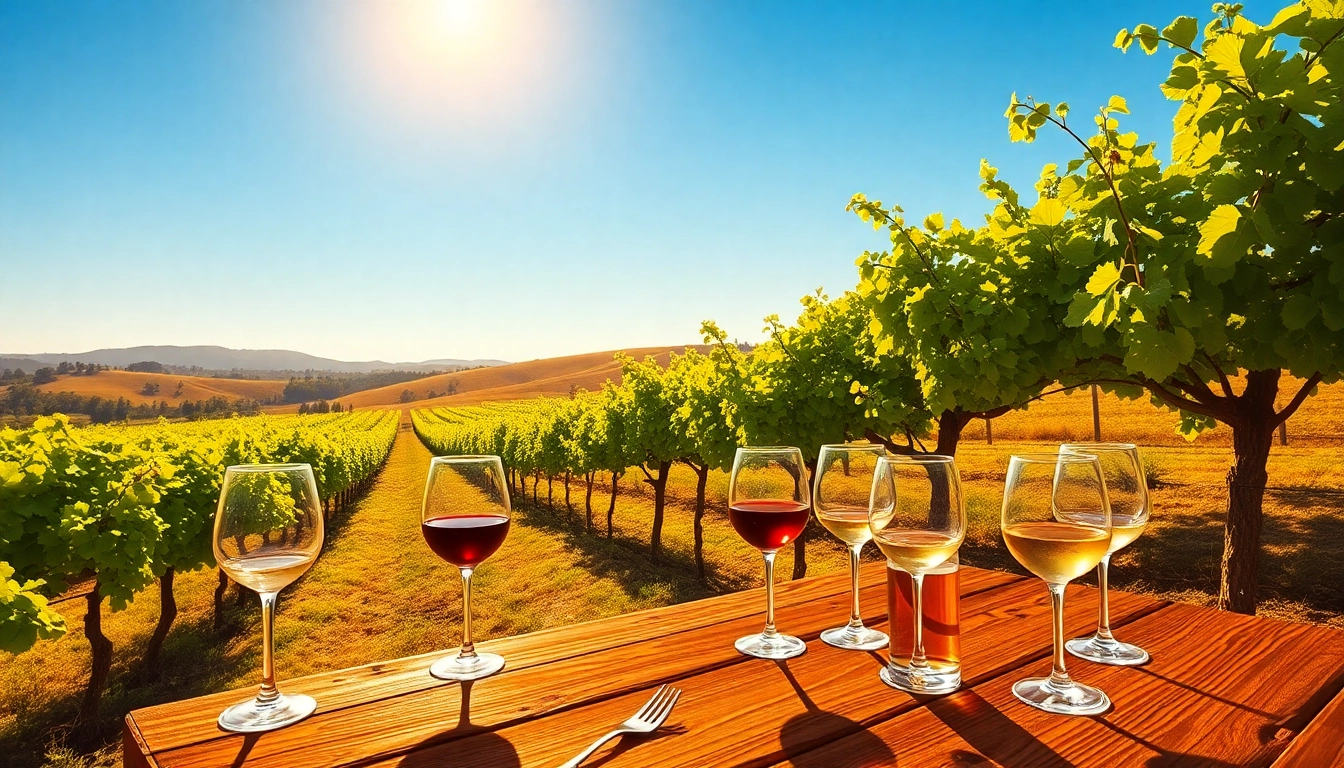
Clarksburg, a hidden gem nestled in the Sacramento Valley of California, is increasingly gaining recognition for its unique and exquisite wines. A drive through this area unveils lush vineyards, charming tasting rooms, and the tranquil beauty of the Sacramento River Delta. The region is celebrated for producing high-quality wines, and Clarksburg wines are fast becoming a favorite among both connoisseurs and casual wine enthusiasts alike. In this comprehensive guide, we will delve into the rich history of winemaking in Clarksburg, explore the key grape varieties cultivated here, and uncover the distinct flavor profiles that define these wines.
History of Winemaking in Clarksburg
The roots of winemaking in Clarksburg can be traced back to the late 1800s, when early settlers recognized the fertile soils and favorable climate of the Sacramento Valley. These pioneers planted vines primarily for personal use and local enjoyment. The region’s winemaking culture evolved through the 20th century, particularly post-Prohibition, when vineyards were re-established and wineries began to flourish.
By the late 20th century, Clarksburg had gained a growing reputation for its quality wines, particularly Chenin Blanc and Zinfandel. Local growers adopted modern viticulture practices, enhancing the quality and sustainability of winemaking. Today, Clarksburg is home to several wineries that produce a variety of wines celebrated for their authenticity and character.
The Unique Climate and Terroir
Clarksburg is situated in a unique geographical area that benefits from a Mediterranean climate and specific terroir characteristics. The fertile soil, enriched by the alluvial deposits from the Sacramento River, coupled with the warm days and cool nights, creates an optimal environment for growing grapes. The region’s western winds also play a significant role in moderating temperatures, allowing for slow and even ripening of grapes.
This ideal climate contributes to the complexity and flavor of Clarksburg wines, as it allows varieties to retain natural acidity while developing concentrated flavors, which is crucial for producing high-quality wines.
Key Grape Varieties Grown
Clarksburg is particularly known for several key grape varieties that thrive in its unique conditions. Among these, Chenin Blanc stands out as the most prominent, known for its versatility and ability to produce a range of styles from dry to sweet. Zinfandel, another favored varietal, offers bold flavors and rich fruit character.
Other notable grape varieties grown in the region include Sauvignon Blanc, which showcases bright acidity and refreshing flavors, and Cabernet Sauvignon, appreciated for its depth and aging potential. By cultivating these varied grape types, Clarksburg’s winemakers highlight the region’s diverse terroir.
Exploring the Flavor Profile of Clarksburg Wines
The allure of Clarksburg wines lies not just in their production but also in their nuanced flavor profiles. Each varietal expresses the unique terroir of the region, resulting in distinct and memorable tasting experiences.
Defining Characteristics of Local Varietals
Clarksburg wines exhibit defining characteristics that reflect the climate and soil of the region. For instance, Chenin Blanc from Clarksburg often exhibits vibrant fruit notes of green apple and pear, combined with floral aromas and a characteristic minerality. On the other hand, Zinfandel tends to present jammy fruit flavors, complemented by spices and soft tannins, making it incredibly approachable.
The Sauvignon Blanc from this area is known for its citrus and herbaceous qualities, contributing to its fresh and zesty reputation. Overall, the variety in flavor profiles across the different varietals truly exemplifies the potential of Clarksburg’s vineyards.
Influence of Aging on Taste
Aging plays a crucial role in the development of Clarksburg wines. Many vintners choose to age their wines in oak barrels, which can impart flavors such as vanilla, toast, and spice. The interaction between the wine and the oak allows for a richer mouthfeel and complexity.
For example, aged Chenin Blanc may exhibit deeper honeyed notes and a luscious texture, while barrel-aged Cabernet Sauvignon can develop layers of dark fruit, vanilla, and earthy tones over time. The aging process not only enhances the wine’s complexity but also its aging potential, with some wines improving significantly over years.
Food Pairing Recommendations
Pairing Clarksburg wines with food is a delightful experience, as their versatile flavor profiles complement a variety of dishes. A crisp, cold Chenin Blanc pairs beautifully with seafood, shellfish, and light salads, enhancing the dining experience with its refreshing acidity.
For a heartier match, the rich and fruit-forward Zinfandel complements barbecued meats and hearty pastas, making it a fantastic choice for gatherings. Meanwhile, a well-structured Cabernet Sauvignon can elevate steak and roasted lamb dishes, where its tannins help to soften the richness of the meat.
Exploring Clarksburg wines with food not only showcases their versatility but also enriches the overall tasting experience.
Visiting Clarksburg: Wineries and Tasting Rooms
If you’re planning to visit Clarksburg, the area is home to several wineries and tasting rooms that offer insight into the local wine culture. A visit to these vineyards provides the perfect opportunity to savor the essence of Clarksburg wines firsthand.
Top Wineries You Must Visit
Among the must-visit wineries in Clarksburg is Bogle Vineyards, known for its exceptional Chenin Blanc and Zinfandel. The picturesque grounds and the inviting tasting room provide a welcoming atmosphere for guests.
Another noteworthy stop is Matchbook Wine Company, where their Cabernet Sauvignon delights with its complexity and rich flavors. The scenic vineyard vistas and knowledgeable staff enhance the overall experience.
Peltier Winery and Vineyards is also a favorite, renowned for its friendly ambiance and selection of award-winning wines. Each of these wineries embodies the spirit of Clarksburg, making them essential stops for wine lovers exploring the region.
Wine Tasting Etiquette
When visiting wineries for tastings, it’s essential to be mindful of etiquette. Upon arrival, a friendly smile and a warm greeting go a long way in setting a pleasant tone for the visit. Make sure to approach the tasting bar when it’s your turn and wait patiently for the staff to assist you.
When sampling wines, it’s common practice to take your time to savor each pour, noting the aromas and flavors. Avoid rushing through tastings, as this can detract from the overall experience. Lastly, maintaining a respectful volume and being courteous to staff and other guests contributes positively to the tasting atmosphere.
Planning Your Vineyard Tour
Planning a vineyard tour in Clarksburg can enhance your experience of the local wine culture. Consider scheduling your visits during weekdays when the wineries are less crowded, allowing for more personal attention from staff. It’s recommended to call ahead for appointments, especially for private tours or tastings.
Additionally, grouping certain wineries close together can maximize your time and enjoyment in the area. Taking advantage of any special events or seasonal releases can also add a unique twist to your trip. Remember to stay hydrated and ensure you have a safe means of transportation if you plan to indulge in tastings.
Wine Production Techniques in Clarksburg
The art of winemaking in Clarksburg is a combination of traditional methods and innovative techniques. Many local vintners emphasize sustainability and quality in their production processes, ultimately reflecting in the wines they create.
Harvesting Methods and Timing
Harvesting is a critical step in the winemaking process that can significantly impact the quality of the wine. In Clarksburg, most grapes are hand-harvested to ensure that only the best fruit is selected. This meticulous method protects the integrity of the grapes and allows for a more careful assessment of their ripeness.
The timing of the harvest is also vital; it typically occurs during the cooler hours of the early morning or late evening. This approach maintains the freshness of the grapes and prevents premature fermentation, crucial for producing high-quality wines.
Fermentation and Aging Processes
After harvesting, the process of fermentation begins, usually in stainless steel tanks for whites or oak barrels for reds. This phase is vital for developing the wine’s flavor profile, as the yeast converts sugars in the grapes into alcohol. Fermentation times and temperatures are carefully monitored to achieve desired flavors and aromas.
Following fermentation, aging processes come into play. White wines like Chenin Blanc may undergo a short aging process to preserve their freshness. In contrast, reds like Cabernet Sauvignon benefit from longer aging in oak, allowing them to develop deeper flavors and complexity.
Sustainable Practices in Local Vineyards
Sustainability has become a focal point for many vineyards in Clarksburg. Wineries are increasingly adopting practices that reduce their environmental impact while maintaining high wine quality. This includes using organic farming methods, embracing water conservation techniques, and employing integrated pest management to reduce chemical usage.
Additionally, some vineyards utilize solar energy to power their operations and invest in sustainable packaging for their wines. These practices not only contribute to a healthier environment but also align with the growing consumer demand for sustainable products.
FAQs about Clarksburg Wines
What are the most popular wine varieties in Clarksburg?
The most popular wine varieties in Clarksburg include Chenin Blanc, Zinfandel, and Sauvignon Blanc, each offering unique flavors reflective of the region’s terroir.
How can I learn more about the wine-making process here?
You can learn more about the winemaking process by visiting local wineries, participating in tours, and attending educational events hosted in the region.
Are there annual wine events in Clarksburg?
Yes, Clarksburg hosts several wine events annually, including harvest festivals, wine tastings, and special wine pairings that showcase local producers.
What climates are ideal for Clarksburg wines?
The Mediterranean climate of Clarksburg, characterized by warm days and cool nights, is ideal for producing high-quality wines with balanced acidity and flavor.
Can I purchase Clarksburg wines online?
Many local wineries offer direct online sales where you can purchase Clarksburg wines, allowing you to enjoy these exquisite bottles from the comfort of your home.
About the Author