Understanding the Tear Resistance Test: Fundamentals
The tear resistance test is a pivotal procedure in material science, particularly significant in sectors such as textiles, packaging, and manufacturing. This test quantifies the force needed to propagate a tear in materials, providing essential data for understanding a material’s durability and performance under stress. The results can influence everything from product design to quality assurance processes. When exploring options, tear resistance test methodologies can significantly impact product quality and regulatory compliance.
What is a Tear Resistance Test?
A tear resistance test measures the ability of a material to withstand tearing under various conditions. The process typically involves applying a controlled force to a specimen, which is clamped at both ends. The force is then gradually increased until the material fails, thus allowing researchers to determine its tear strength. This is crucial for industries like textiles, where fabric strength directly affects the longevity and usability of the final product.
Importance of Measuring Tear Strength in Textiles
In the textile industry, tear strength is an essential metric. It helps manufacturers assess how fabrics will perform in real-world applications, such as wear and tear during washing or everyday use. High tear strength implies that a fabric can withstand greater stress before failing, which is particularly important for items like outdoor gear and industrial textiles.
Overview of Standards: ISO and ASTM Compliance
Compliance with international standards is vital for ensuring the reliability of tear resistance tests. Organizations like the International Organization for Standardization (ISO) and the American Society for Testing and Materials (ASTM) provide established protocols for conducting these tests, ensuring that manufacturers can produce materials that meet the necessary safety and quality benchmarks. Standards such as ISO 13937 and ASTM D1424 outline specific procedures and requirements that laboratories must follow to ensure accurate and consistent results.
The ElmenGuide Elmendorf Tester: Features & Benefits
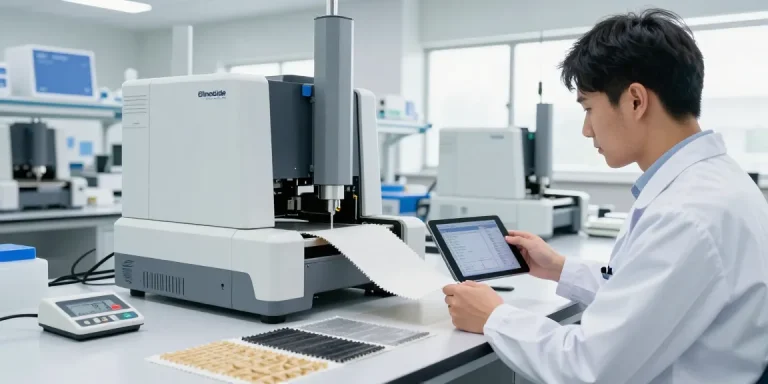
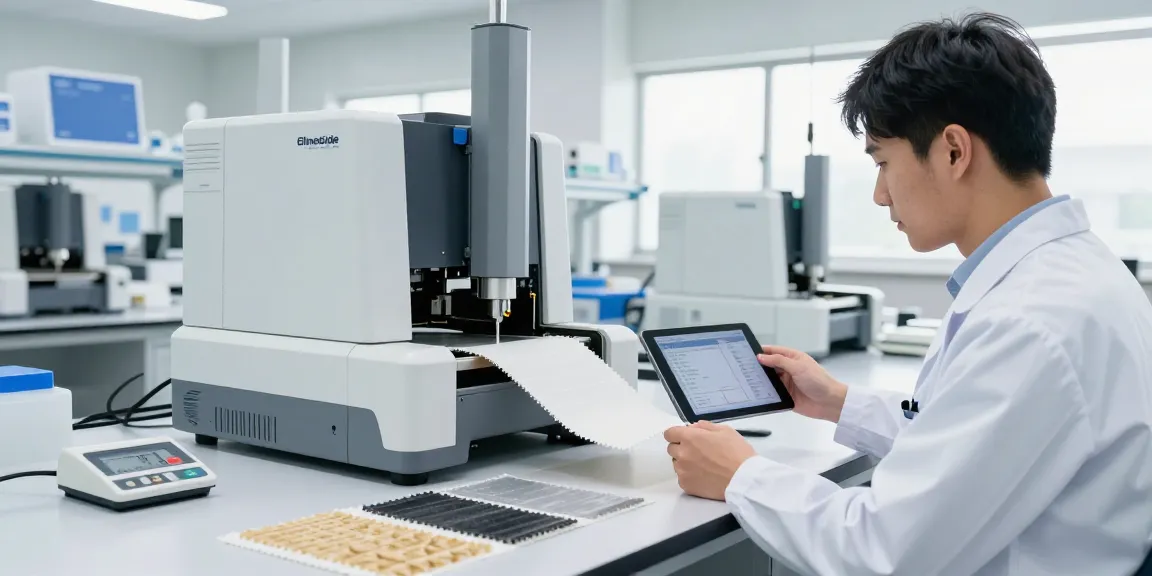
The ElmenGuide Elmendorf Tear Tester stands out in the market for its combination of automation and precision. This advanced piece of equipment is designed to simplify the tear testing process, enabling users to achieve reliable results quickly.
How the ElmenGuide Works: Automated Accuracy
Utilizing a pendulum mechanism, the ElmenGuide calculates the tear strength by measuring the energy loss as the pendulum cuts through the material. The device’s fully automated features eliminate manual calculation errors and significantly reduce testing time, which is essential for quality control labs looking to maintain high throughput without sacrificing accuracy.
Advantages of IoT Integration in Testing
With smart technology integration, the ElmenGuide can connect to smartphones and PCs via the SmarTexLab App. This allows for real-time data monitoring and analysis, making it easier to manage test results and maintenance alerts. By supporting direct API integration, the device can seamlessly link with ERP and LIMS systems, streamlining workflows and enhancing the digital transformation in testing laboratories.
User-Friendly Design: Training and Operation
The design of the ElmenGuide Elmendorf Tester prioritizes user experience. Its intuitive interface allows even novice operators to quickly understand and utilize the device. A dual-button activation minimizes the risk of accidental injury by ensuring that operators maintain a safe distance from the pendulum during testing, enhancing safety and compliance in laboratory environments.
Applications of Tear Resistance Testing Across Industries
Tear resistance testing is not limited to textiles. Its applications span various sectors, each with unique requirements and challenges.
Textiles: Ensuring Quality in Fabrics
In textiles, accurate tear resistance testing helps ensure product quality across different fabric types, from lightweight materials to heavy-duty canvases. Manufacturers can effectively assess whether their products meet industry standards and customer expectations.
Papers and Plastics: Testing for Durability
The paper and plastics industries also benefit from tear resistance testing, as these materials need to demonstrate their ability to resist tearing during use. This is particularly relevant for packaging materials that must endure shipping and handling without failure.
Industrial Applications: Heavy-Duty Material Testing
Industries that rely on heavy-duty materials, such as construction and manufacturing, utilize tear resistance testing to ensure safety and performance standards are met. For instance, construction tarps and equipment bags must possess high tear strength to withstand challenging environments.
Best Practices for Conducting Tear Resistance Tests
To ensure that tear resistance tests yield accurate and reliable results, following best practices is crucial.
Preparing Samples for Accurate Testing
Proper sample preparation is essential for consistent tear testing results. Samples should be cut to predetermined dimensions, and the area to be tested should be free of defects. Consideration of factors such as moisture content and storage conditions can also influence the test outcomes.
Tips for Calibration and Maintenance
Regular calibration and maintenance of the tearing strength tester are crucial to maintaining accuracy. Laboratories should establish a schedule for routine checks and calibration against standard reference materials to ensure ongoing compliance with industry benchmarks.
Interpreting and Reporting Tear Strength Results
Interpreting tear strength results requires a clear understanding of material behavior. Reports should include not only the maximum tear force but also insights on the material’s overall performance trends. Clear communication of results among stakeholders is necessary to inform decisions regarding material usage and product development.
Future Trends and Innovations in Tear Testing
The field of material testing is evolving, with advances in technology paving the way for improved testing methodologies and efficiencies.
Emerging Technologies in Material Testing
Emerging technologies, including AI-driven analytics and enhanced machine learning algorithms, are set to revolutionize material testing procedures. These innovations will allow for more nuanced insights into material performance, helping manufacturers to enhance product quality significantly.
Impact of Advanced Analytics on Quality Control
Advanced analytics are becoming increasingly critical in the quality control process. By leveraging data analytics, companies can better predict material performance, optimize production processes, and reduce waste. This transition from reactive to proactive quality control is essential for maintaining competitive advantage.
Predictions for the Tear Testing Market by 2026
As the demand for high-quality materials increases across various sectors, the tear testing market is expected to grow significantly. Innovations in automation, integration of IoT, and advancements in testing techniques will shape the future landscape of material testing, ultimately leading to more efficient and reliable testing processes.
What materials can be tested for tear resistance?
Various materials can be subjected to tear resistance testing, including textiles, paper, plastics, and composites. Each material presents unique challenges and requires tailored testing approaches to accurately assess their tear strength.
How do different standards for tearing strength affect testing?
Different standards, such as ASTM and ISO, provide specific guidelines that influence how tear resistance tests are conducted. Understanding these standards ensures compliance, helps in achieving international market acceptance, and supports customer confidence in product quality.
What are the common challenges in tear resistance testing?
Common challenges may include sample variability, environmental factors affecting tests, and the complexity of material behavior under different conditions. Addressing these issues requires attention to detail and adherence to best practices in sample preparation and testing procedures.
How does IoT technology improve testing efficiency?
IoT technology plays a significant role in enhancing testing efficiency through real-time data collection, remote monitoring capabilities, and streamlined reporting processes. This increases productivity while reducing the margin for error in testing laboratories.
What should I look for when choosing a tear tester?
When selecting a tear tester, consider factors such as automation features, ease of use, calibration capabilities, and compliance with relevant testing standards. A machine that integrates seamlessly into existing workflows and provides reliable results will yield the best return on investment.
About the Author