Understanding the Importance of a Car History Report
Purchasing a used car can be both exciting and daunting. While the allure of finding a reliable vehicle at a fraction of the cost of a new one is tempting, the reality is that not every used car is a good investment. This is where a comprehensive car history report comes into play. This crucial document can uncover hidden issues, giving you the insights you need to make an informed decision. For 2026, understanding how to navigate the complexities of a used car’s history is more vital than ever.
What is a Car History Report?
A car history report provides detailed information about a vehicle’s past. This includes data related to ownership history, accident reports, service records, and any title brands (like salvage or rebuilt titles) that may affect its value. Essentially, it’s a vehicle’s "life story," pulling in data from multiple trusted sources like the National Motor Vehicle Title Information System (NMVTIS), state DMVs, and insurance companies. The report is generated based on the unique 17-character Vehicle Identification Number (VIN) found typically on the dashboard or inside the driver’s side door jamb.
Why You Should Never Buy a Used Car Without One
The stakes are high when it comes to buying a used vehicle. Without a thorough check of its history, you could be exposing yourself to significant risks. The U.S. Bureau of Justice Statistics reports that millions of dollars are lost annually due to odometer fraud alone, as unscrupulous sellers manipulate the mileage to inflate a car’s value. Moreover, countless vehicles have hidden salvage or total loss designations that can render them unsafe or financially burdensome to repair. Therefore, acquiring a comprehensive car history report can save you from making a costly mistake.
Common Misconceptions About Vehicle History Reports
Many buyers mistakenly believe that a vehicle history report is a luxury rather than a necessity. Others think that free VIN checks provide the same detailed information as paid reports, which is often untrue. While some services offer basic information for free, they typically don’t include critical data that can only be accessed through paid reports. Understanding these misconceptions is essential for making a sound purchase.
How to Obtain a Car History Report
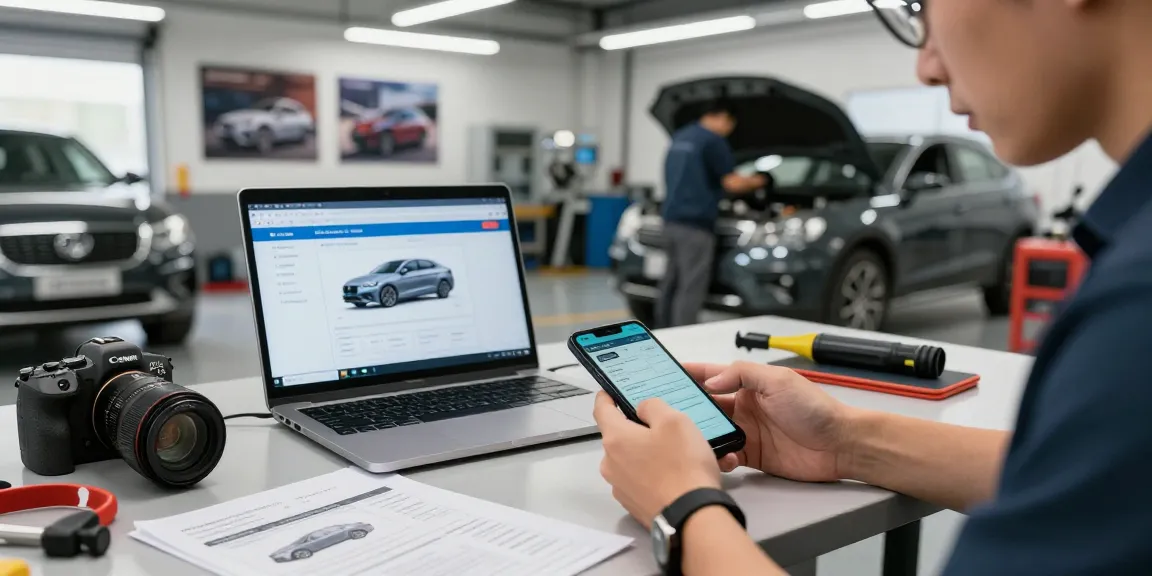
Obtaining a car history report is a straightforward process, but many potential car buyers often feel overwhelmed by the number of available options. Below is a step-by-step guide to ensure you get the information you need without confusion.
Step-by-Step Guide to Checking VIN
- Locate the VIN: This 17-character number is usually found on the dashboard (near the windshield) or inside the driver's side door frame.
- Choose a Reporting Service: Decide whether to use a free or paid service based on your needs. Paid reports tend to be more comprehensive.
- Input Your VIN: Enter the VIN into the chosen platform’s search field to initiate the report generation.
- Review the Report: Analyze the data, particularly focusing on past accidents, title issues, and previous ownership.
Free Options vs. Paid Reports: What's the Difference?
While free options may seem enticing, they often provide limited information, such as basic title checks or whether the vehicle is reported stolen. Paid reports, on the other hand, dig deeper into the vehicle’s history, including accident data, service reports, and comprehensive ownership records. For many, investing in a complete report can save considerable money and hassle in the long run.
Trusted Sources for Reliable Reports
When seeking a vehicle history report, choose recognized providers such as CARFAX, AutoCheck, or even services like Vinpanda, which offer government-certified data sources. These companies pull information from various databases and ensure that you receive reliable and accurate insights into the vehicle’s past.
Deciphering the Information in a Car History Report
Understanding the contents of a car history report is critical for making an informed purchase. Below are key elements you should pay attention to when reviewing the report.
Understanding Salvage Titles and Their Implications
A salvage title signifies that a vehicle has been declared a total loss by an insurance company due to damage from an accident, flooding, or other catastrophic events. While some salvaged cars can be repaired and returned to the road, they often come with a host of potential issues. If you encounter a vehicle with a salvage title, it is essential to weigh the possible repair costs against the purchase price carefully.
Recognizing Odometer Fraud Indicators
Odometer fraud is a common issue with used cars, where sellers clock back the mileage to make a vehicle appear less used than it truly is. Watch for discrepancies in the vehicle's maintenance records, unusual wear and tear, or anything that feels inconsistent with the reported mileage. A comprehensive report will often highlight any odometer rollback issues, making your decision easier.
Impact of Previous Accidents on Value and Safety
Accidents can significantly impact a vehicle's resale value and safety. A history report will detail any reported accidents, including their severity and whether the car was repaired. If a car has been in multiple accidents, it might not be worth the investment, regardless of its current appearance or condition.
Evaluating the Risks of Ignoring a Car History Report
The risks associated with buying a used vehicle without reviewing a history report can be severe, leading to financial losses, safety risks, and even legal troubles.
Potential Financial Pitfalls of Unchecked Purchases
If you buy a used car without examining its history, you could unknowingly inherit substantial repair costs, lost value, or even legal liabilities. Vehicles with hidden loans can become the buyer’s responsibility, leaving you unable to register or insure them until those loans are cleared. The potential costs can far exceed the savings from buying a seemingly "great deal."
Case Studies: Buyers Who Regretted Their Decisions
Consider the story of a buyer who purchased a used SUV that appeared pristine and had a low mileage count. However, a car history report revealed that it had been involved in a serious accident, and the repairs had not been documented properly. After purchase, the buyer discovered significant mechanical issues stemming from the accident, ultimately costing thousands in repairs. This scenario is not uncommon, highlighting the necessity of due diligence.
How to Protect Yourself as a Buyer
To safeguard yourself when purchasing a used car, always invest in a car history report before finalizing your purchase. Additionally, consider getting a pre-purchase inspection from a trusted mechanic who can identify any hidden issues not captured in the report. These steps can save time, money, and potential heartache.
Looking Ahead: The Future of Vehicle History Reports in 2026
As technology evolves, so do the methods of accessing and interpreting vehicle history reports. Here’s what to expect in the upcoming years.
Emerging Technologies in Vehicle Reporting
New technologies such as blockchain are beginning to play a role in vehicle history reporting, offering immutable records of ownership and service history. In the near future, expect more accurate and transparent reporting mechanisms that reduce the opportunity for fraud.
How Regulations May Change Car History Reporting
With growing concerns over consumer protection, regulatory bodies may impose stricter requirements on dealerships and private sellers to provide complete vehicle histories. This may include mandatory reporting of accidents or repairs through government-approved channels.
Preparing for the Next Generation of Car Buyers
The next generation of car buyers is tech-savvy, and they will likely demand more transparency in vehicle histories. As three generations merge into the car-buying marketplace, expect a larger emphasis on digital vehicle reports that can be accessed via mobile apps, making the buying process even more convenient.
What Should You Know Before Buying a Used Car?
Before purchasing any used vehicle, ensure you know its complete history. A reliable car history report will help you make informed decisions and avoid potential pitfalls.
How Do You Check a Car’s Accident History?
Simply enter the vehicle's VIN into a trusted reporting service. This will provide comprehensive details about previous accidents and any subsequent repairs.
Can You Get a Free Car History Report?
While several platforms offer basic details for free, a thorough report will typically require a fee. Investing in a paid report can provide invaluable insights into the vehicle’s condition.
What are the Risks of Buying a Car Without a Report?
The risks are substantial, including financial and safety consequences. A car without a report may be hiding significant issues that could lead to costly repairs and dangerous driving conditions.