Understanding the Essence of Cape Cod Homes
Historical Significance and Architecture
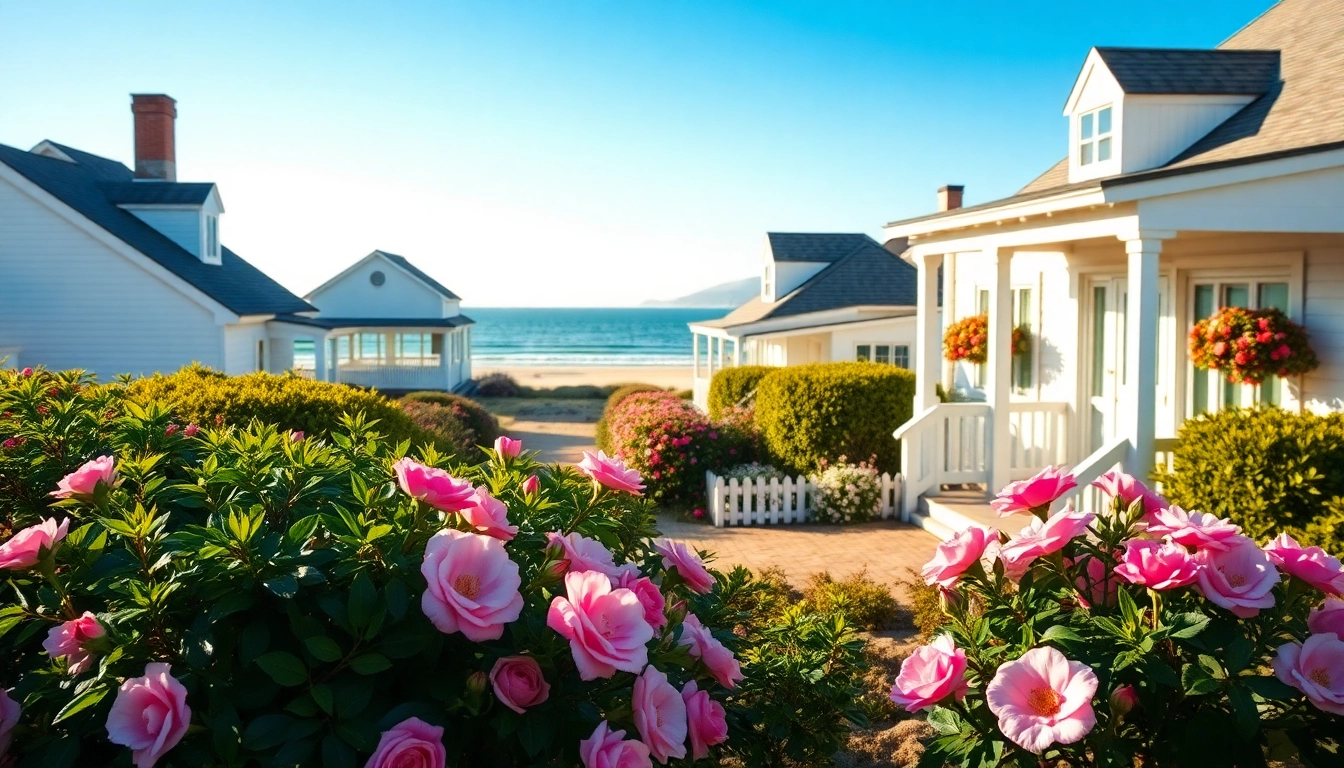
The cape cod homes serve as architectural icons that are steeped in a rich historical backdrop. Emerging in the 1600s, these homes were initially designed to withstand the elements of New England’s harsh coastal climates. Early settlers sought inspiration from the modest, yet resilient homes of England. The primary architectural features included steep roofs to shed snow, symmetrical designs, and dormer windows that provided light and ventilation. The traditional Cape Cod home typically mirrors a simple, rectangular layout, embodying functionality and durability over ostentation.
Design Features of Cape Cod Homes
One of the most defining attributes of Cape Cod homes is their exterior, frequently clad in wooden shingles or clapboard; this choice not only adds to their aesthetic but also complements their coastal environment. Shingled exteriors are designed to resist moisture, while their gabled roofs often feature little overhang, adhering to the original utilitarian intention. Interiors generally boast open floor plans that maximize space and light while allowing efficient heating from the fireplaces traditionally found at the center of the home.
Popular Materials Used in Construction
Construction materials for Cape Cod homes have evolved, but key components remain consistent. Wood, particularly cedar, is a common choice for siding due to its natural resistance to rot and decay. Additionally, metal is frequently utilized for roofing today, providing longevity and excellent weather-proofing. Interior spaces often feature hardwood floors, which not only lend elegance but also are practical for coastal life, due to their durability against sand and moisture.
Modern Adaptations of Cape Cod Homes
Integrating Contemporary Designs
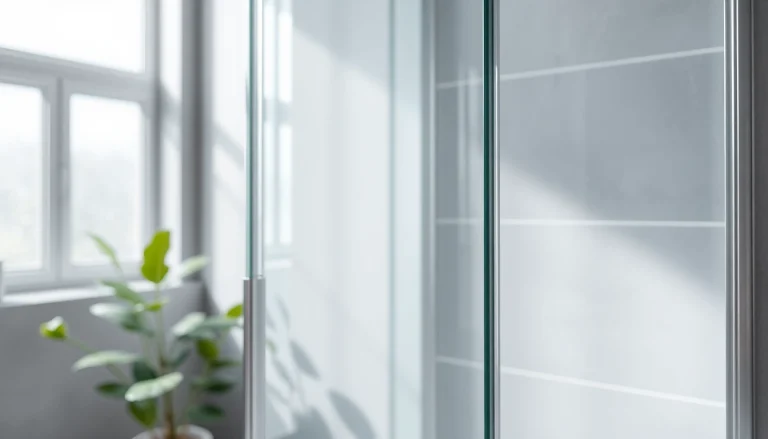
Although rooted in tradition, Cape Cod homes have undergone significant modern adaptations. Homeowners now often favor open concept layouts which replace the traditional compartmentalization of rooms, thereby enhancing the flow of living space. Large windows and sliding glass doors integrate outdoor and indoor living areas, creating a seamless connection with nature. Updated facades may feature modern materials such as stucco or fiber cement siding, allowing homeowners to personalize their homes while preserving the classic silhouette.
Energy Efficiency Improvements
Many Cape Cod homes are being retrofitted with modern energy-efficient features, addressing both sustainability concerns and energy costs. Insulation is significantly enhanced, utilizing materials such as spray foam to improve thermal performance. Energy-efficient windows with low-E coatings are another crucial upgrade, reducing heat loss and minimizing UV exposure. Solar panels are increasingly popular, allowing homeowners to harness renewable energy and reduce their carbon footprint.
Smart Home Technologies in Cape Cod Homes
The infusion of smart home technology has become commonplace in contemporary Cape Cod homes. Homeowners increasingly invest in smart thermostats, which optimize heating and cooling efficiency, ensuring comfort while lowering utility costs. Smart security features, such as video doorbells and automated lighting, enhance safety without compromising the home’s aesthetic. Furthermore, home automation systems enable the control of everything from entertainment systems to temperature settings through smartphones or voice commands.
Landscaping and Outdoor Living
Creating Inviting Outdoor Spaces
Creating inviting outdoor spaces is essential for maximizing the enjoyment of Cape Cod homes. Patios and decks made from sustainable materials provide optimal areas for entertaining and relaxation. Features like built-in seating, fire pits, and outdoor kitchens can enhance the functionality of these spaces. Additionally, strategic lighting can accentuate the beauty of landscapes while extending outdoor usability into the evening hours.
Native Plants and Coastal Gardens
Landscaping with native plants not only supports the local ecosystem but also ensures that gardens thrive in the coastal environment. Plants such as beach grass, bayberry, and lavender are both drought-resistant and able to withstand sandy soils. Incorporating these plants results in low-maintenance, environmentally friendly gardens that are visually appealing and resilient against coastal conditions.
Choosing Sustainable Materials for Patios
When selecting materials for outdoor living areas, sustainability should be a priority. Options like recycled composite decking, permeable pavers, and natural stone blend durability with environmental responsibility. Using reclaimed wood for structures like pergolas or outdoor furniture can also be a stylish, eco-friendly choice that enhances the coastal aesthetic while minimizing waste.
Planning Your Cape Cod Home Expansion
Assessing Space Needs and Layouts
When considering an expansion of a Cape Cod home, the first step is assessing the space needs of the household. Analyzing current layouts and future needs will help determine the best areas for expansion. Homeowners may wish to add bedrooms, bathrooms, or even a greater living area, and it’s essential to integrate the new spaces harmoniously within the existing structure. A professional architect can provide assistance in visualizing these adjustments to maximize aesthetic appeal and functionality.
Permits and Local Regulations
Before beginning any expansion project, understanding local regulations and obtaining necessary permits is crucial. Each municipality will have different zoning laws, setback requirements and construction codes that must be adhered to. Engaging with local building services early in the planning phase can streamline the permitting process and avoid potential roadblocks during construction.
Finding the Right Professionals for the Project
Engaging the right team for a home expansion project can significantly impact the success of the endeavor. Look for professionals with experience in Cape Cod home design and construction, as they will be more familiar with the unique challenges these structures may present. Architect and contractor referrals from past clients can provide insight into their quality of work and reliability, ensuring that the project proceeds smoothly and aligns with the homeowner’s vision.
Maintenance Practices for Cape Cod Homes
Seasonal Upkeep Tips
Regular maintenance is essential to preserve the integrity of Cape Cod homes. Seasonal tasks should include inspecting roofs and gutters, cleaning siding, and checking for signs of moisture damage. Additionally, preparing homes for winter with proper insulation and weather-stripping can prevent costly repairs while enhancing comfort. Spring is the ideal time for more extensive cleanup efforts, such as landscaping and exterior painting.
Long-lasting Finishes and Paints
Selecting long-lasting finishes for interior and exterior applications is vital for sustaining the beauty of Cape Cod homes. High-quality, naturally derived paints that resist fading and peeling should be prioritized. Exterior wood should be treated with sealants or stains to enhance durability against the elements, while interior finishes should be chosen for both performance and aesthetics.
Protecting Your Home from Coastal Elements
The coastal environment presents unique challenges, including moisture, salt air, and high winds. Protective measures must include regular inspections and maintenance of roofing materials, siding, and foundations. Investing in corrosion-resistant hardware on doors, windows, and decks can significantly enhance longevity. The use of specialized coatings and treatments for exposed wood and metals will help safeguard against the harsh coastal conditions.
Frequently Asked Questions
What defines a Cape Cod home?
A Cape Cod home typically features a steep roof, dormer windows, and wood siding, reflecting a simple and functional design.
How can I modernize a Cape Cod home?
Consider open floor plans, modern appliances, and eco-friendly materials that enhance functionality while respecting the home’s charm.
What landscaping suits Cape Cod homes?
Use native plants, meandering pathways, and natural materials like stone to create a harmonious landscape that complements the coastal setting.
What are common issues with Cape Cod homes?
Common issues include roof wear, wood rot due to moisture, and potential foundation problems. Regular maintenance is key to prevention.
Are Cape Cod homes energy-efficient?
Many Cape Cod homes can be retrofitted with modern insulation, smart appliances, and energy-efficient windows for improved efficiency.
About the Author