Introduction to Shower Sliding Doors
Shower sliding doors are an elegant and practical solution designed to enhance your bathing experience while optimizing space within your bathroom. Unlike traditional hinged doors that require space to swing open, shower sliding doors glide smoothly along tracks, making them ideal for compact areas. Whether you’re remodeling or building a new bathroom, integrating shower sliding doors can transform your space into a modern oasis.
What Are Shower Sliding Doors?
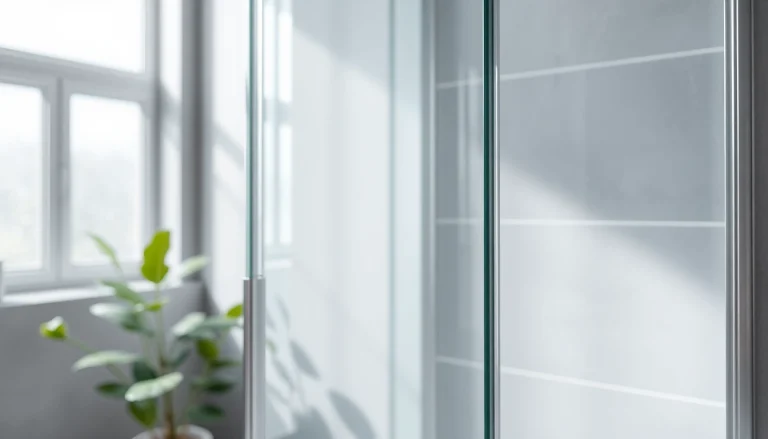
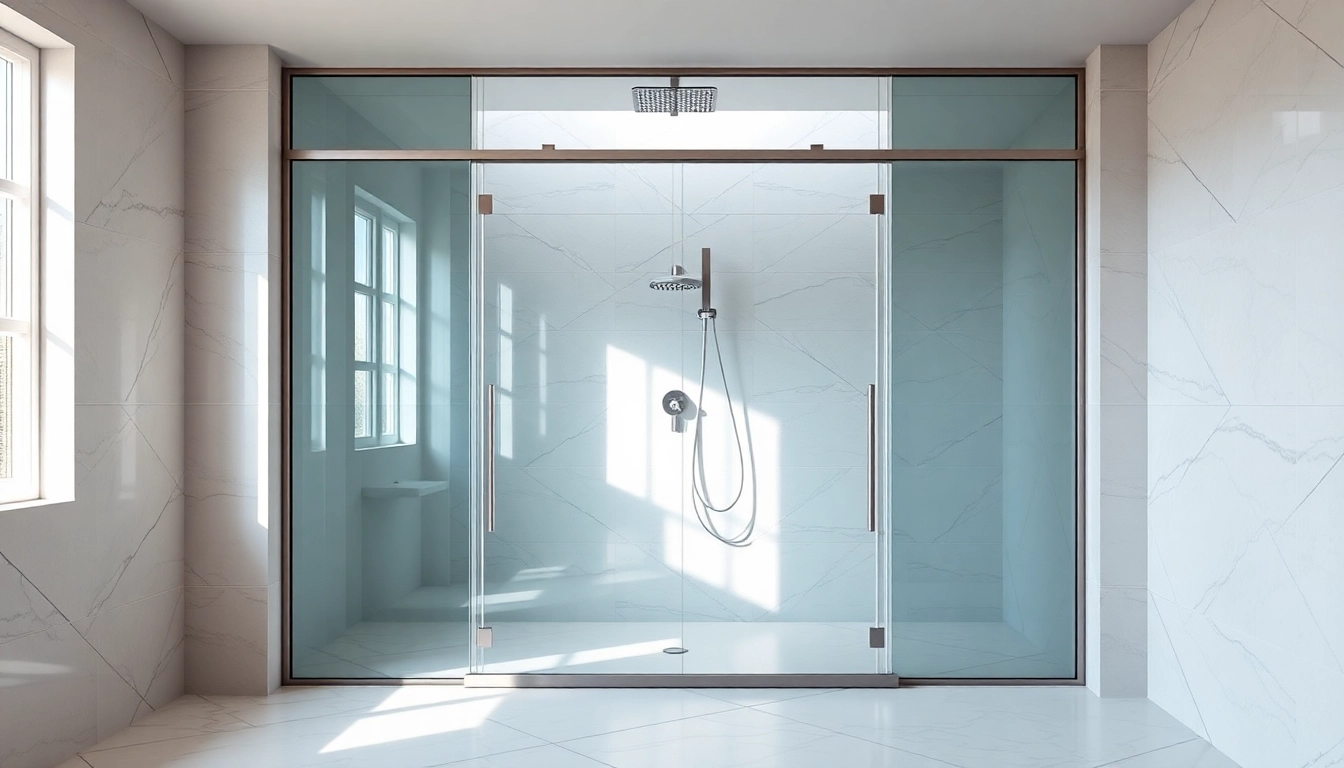
Shower sliding doors consist of multiple panels that slide horizontally to provide access to the shower. They are typically framed in aluminum or made of frameless glass for a sleek look. The panels slide on tracks fixed to the top and bottom of the shower opening, allowing for seamless entry and exit.
Benefits of Installing Shower Sliding Doors
- Space Efficiency: The primary advantage is the space-saving design, perfect for bathrooms with limited area.
- Modern Aesthetic: They provide a contemporary look that enhances the overall decor of any bathroom.
- Ease of Use: Sliding doors are simpler to operate compared to traditional doors, especially for aging individuals.
- Reduced Water Spillage: The enclosed design minimizes water escaping onto bathroom floors, which enhances safety and cleanliness.
Popular Styles and Designs of Shower Sliding Doors
Shower sliding doors come in various styles to suit different tastes and bathroom designs:
- Framed Sliding Doors: These doors have a visible frame, usually made of aluminum, that provides added stability.
- Frameless Sliding Doors: A minimalist option that offers an uninterrupted view and sophisticated style, typically made of tempered glass.
- Bi-Fold Sliding Doors: An alternative for tight spaces, these doors fold in half to save space when opened.
- Custom Designs: For those wanting a unique aesthetic, custom-sized and designed options are also available.
Choosing the Right Shower Sliding Doors for Your Bathroom
Selecting the perfect shower sliding doors requires careful consideration of several factors, ensuring that the final choice meets your needs and enhances your bathroom’s functionality and beauty.
Factors to Consider Before Purchasing
When shopping for shower sliding doors, keep the following factors in mind:
- Space: Evaluate the bathroom layout and size to select a door that fits comfortably.
- Style Preference: Consider existing decor and personal taste to choose between framed, frameless, or custom options.
- Budget: Set a realistic budget as prices can vary greatly based on materials and design.
- Ease of Installation: Some models may require professional installation, while others could be a DIY project.
Measuring for Perfect Fit
Accurate measurements are crucial when purchasing shower sliding doors. Here’s a quick guide:
- Measure the width of the shower opening at the top, middle, and bottom to ensure it is level.
- Determine the height from the bottom of the shower curb to the top of the opening.
- Check the depth of the shower space to confirm there’s enough room for sliding without obstruction.
Material Options for Shower Sliding Doors
Choosing the right materials impacts durability, safety, and style. Common options include:
- Tempered Glass: Stronger and safer than regular glass; shatters into small, less dangerous pieces upon breaking.
- Acrylic: Lightweight and more affordable, but may scratch more easily than glass.
- Aluminum Frames: Lightweight, rust-resistant, and available in multiple finishes to match your decor.
- Stainless Steel Frames: Durable and corrosion-resistant, offering a high-end look.
Installation Process of Shower Sliding Doors
Installing shower sliding doors can be straightforward, especially with the right tools and instructions. Below is a thorough guide to the installation process.
Step-by-Step Installation Guide
- Gather Tools: Ensure you have all necessary tools such as a drill, level, screwdrivers, and a measuring tape.
- Remove Old Doors: If you’re replacing old doors, carefully remove them first.
- Install the Track: Measure and mark the height for the top and bottom tracks. Fix them in place using screws provided in the kit.
- Hang the Panels: Insert the top rollers into the upper track and tilt the panels to fit onto the bottom track.
- Adjust the Rollers: Ensure that the panels slide smoothly and adjust the rollers as necessary for a perfect fit.
- Seal Edges: Use a silicone sealant to waterproof the edges and ensure a tight fit.
Common Installation Mistakes to Avoid
While installing shower sliding doors, it’s easy to make mistakes. Here are common pitfalls to avoid:
- Ignoring Measurements: Double-check all measurements to prevent incorrect sizing.
- Improper Sealing: Failing to adequately seal edges can lead to water leakage.
- Neglecting the Track Alignment: Ensure tracks are level; if they are slanted, sliding will not be smooth.
- Over-tightening Screws: This can strip the holes, making it difficult to secure the doors effectively.
When to Hire a Professional Installer
While some may opt for a DIY approach, there are times when hiring a professional is advisable:
- Complex Bathroom Layouts: If your bathroom has custom architectural features, a pro can ensure a perfect fit.
- Limited Experience: Lack of experience with installation could lead to mistakes that are costly to fix.
- Time Constraints: Professional installers can complete the job quickly and efficiently.
Maintenance Tips for Shower Sliding Doors
To keep your shower sliding doors looking new and functioning properly, regular maintenance is essential. Implement the following tips for long-lasting performance.
Cleaning Techniques for Optimal Hygiene
Routine cleaning helps prevent soap scum buildup and maintains clarity of glass doors. Here are effective cleaning methods:
- Daily Rinsing: After each shower, rinse the doors with water to remove soap and residue.
- Weekly Deep Cleaning: Use a mixture of vinegar and water, applied with a soft cloth to cut through grime without scratching.
- Commercial Cleaners: For tougher stains, consider non-abrasive commercial cleaners designed for glass.
Preventing Common Issues
Preventive measures can significantly reduce issues with shower sliding doors:
- Lubricate Tracks: Apply a silicone-based lubricant to the tracks every few months to ensure smooth sliding.
- Inspect Seals: Regularly check the seals for wear and replace them promptly to prevent leaks.
- Avoid Heavy Impact: Be careful not to bang the doors when closing to prevent damage.
Long-term Care for Durable Performance
Investing time in proper maintenance can prolong the life of your shower sliding doors. Here’s what to keep in mind:
- Regular Inspections: Routinely inspect for rust on metal parts or cracks in glass panels.
- Immediate Repairs: Fix any minor issues, such as chipped edges or malfunctioning rollers, before they become bigger problems.
Frequently Asked Questions about Shower Sliding Doors
What sizes do shower sliding doors typically come in?
Shower sliding doors generally come in widths ranging from 48 to 60 inches, but custom sizes can also be ordered for unique spaces.
Are shower sliding doors suitable for small bathrooms?
Yes, shower sliding doors are perfect for small bathrooms as they do not require additional space for door swing.
Do shower sliding doors require special maintenance?
They need regular cleaning to prevent soap scum buildup and ensure longevity but are otherwise low-maintenance.
Can you install shower sliding doors on any shower type?
Shower sliding doors can be installed on most alcove or corner showers, but ensure the fit matches the design.
What materials are best for shower sliding doors?
Common materials include tempered glass for safety and durability, and frames can be aluminum or stainless steel for aesthetics.
About the Author