Understanding the 3D Pergola Configurator
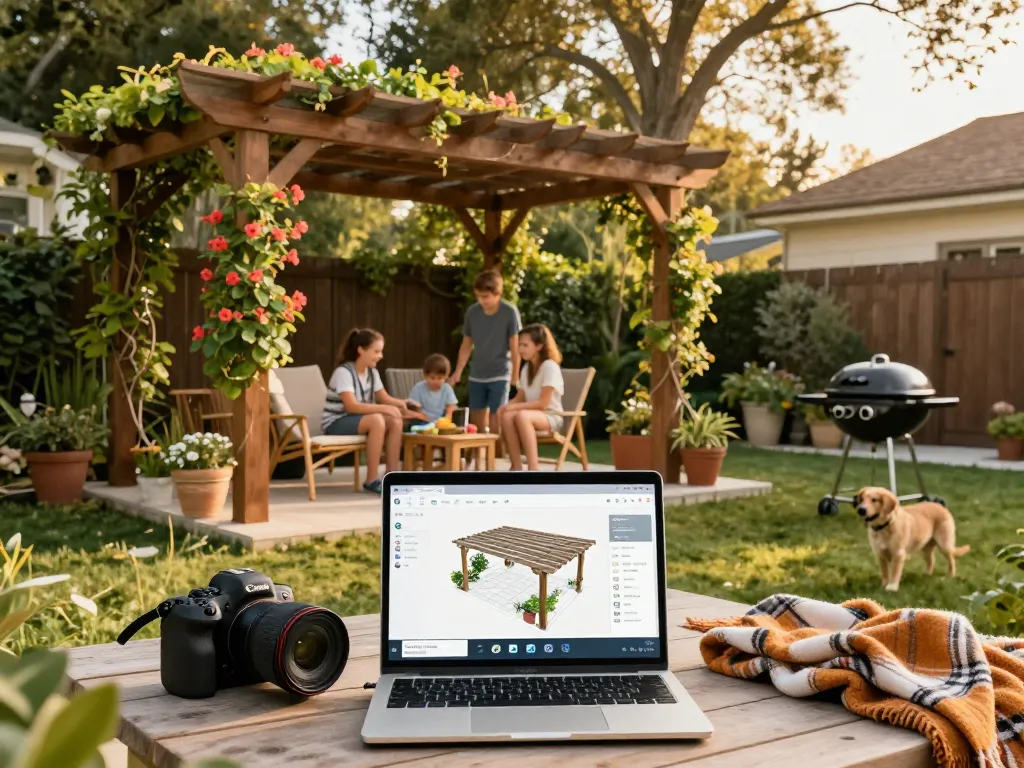
In the world of outdoor design, the concept of customization has reached new heights with the advent of innovative technologies like the 3D pergola configurator. This tool allows homeowners and designers to visualize their ideal pergola with stunning realism, making the design process not only easier but also more engaging. Whether you aim to enhance your garden space, patio, or outdoor living area, understanding how a 3D configurator works is essential in creating a structure that meets your aesthetic and functional needs.
What is a 3D Pergola Configurator?
A 3D pergola configurator is an online tool that enables users to design their own pergolas in a three-dimensional space. This software allows for a high degree of customization in terms of size, shape, color, and materials. By utilizing advanced visualization technologies, it offers users a realistic preview of their outdoor structures, allowing for adjustments and modifications until the perfect design emerges.
Key Features and Functionalities
- Real-Time Visualization: Users can see their designs change in real-time as they modify dimensions or materials, providing an instant understanding of how different choices impact the final look.
- User-Friendly Interface: Most configurators feature an intuitive layout that makes the design process accessible to all users, regardless of their technical skills.
- Material Selection: Users can choose from a variety of materials such as wood, aluminum, or vinyl, each offering different aesthetic and durability benefits.
- Custom Size Options: Rather than sticking to standard dimensions, 3D configurators allow for custom sizes to fit unique spaces perfectly.
- Shadow Simulation: Many advanced configurators can simulate how shadows will fall at different times of the day, aiding users in making informed decisions about placement and design.
Benefits of Using a 3D Configurator for Your Pergola
Utilizing a 3D pergola configurator can transform the pergola design experience. The primary benefits include:
- Enhanced Visualization: Gain a clear understanding of how the pergola will look in your space before committing to a design.
- Time Efficiency: Quickly iterate on designs without the need for physical prototypes, streamlining the decision-making process.
- Cost-Effective: Reduce the risks of costly mistakes by allowing for accurate design adjustments in the virtual realm.
- Increased Customer Satisfaction: Clients are more likely to be satisfied when they can visualize and modify their designs to fit their desires accurately.
Choosing the Right Design for Your Space
Choosing the right design for your pergola is fundamental to creating an inviting and functional outdoor area. Multiple factors come into play when selecting the ideal structure.
Factors to Consider When Designing a Pergola
When embarking on the design process, consider the following:
- Available Space: Measure the area where you intend to install the pergola. Ensure it complements existing structures and landscaping.
- Purpose: Define the primary use of your pergola. Will it serve as a shaded area for relaxation, an outdoor dining space, or as a decorative element?
- Style Aesthetics: Match the design of your pergola to your home’s architectural style and your personal taste. This creates a harmonious look across the property.
- Climate Considerations: Factor in your local climate as this affects material choices and design features such as roof type or adjustable louvres.
Popular Pergola Styles and Their Usages
Diverse styles of pergolas cater to various functions and aesthetic preferences. Here are a few popular options:
- Traditional Pergolas: Characterized by their classic design with an open top for vine training, ideal for gardens.
- Modern Pergolas: Sleek lines and contemporary materials define these structures, perfect for minimalist outdoor spaces.
- Louvered Pergolas: These feature adjustable slats that allow control over sunlight and shade, enhancing versatility.
- Attached Pergolas: Connected to a home, these structures provide a seamless transition from indoor to outdoor living.
Common Design Mistakes to Avoid
Designing a pergola can be straightforward, but some common pitfalls can lead to dissatisfaction:
- Ignoring Scale: Ensure that the size of your pergola is proportionate to the space available. Oversized structures can overwhelm a yard.
- Neglecting Local Regulations: Always check local building codes and HOA guidelines to avoid legal issues.
- Overcomplicating the Design: Keep it simple. A complex design can become costly and difficult to build. Opt for clean lines and clear functionality.
Step-by-Step Guide to Using a 3D Pergola Configurator
The following steps outline how you can get the most from a 3D pergola configurator:
How to Begin Your Pergola Design
Start by accessing the configurator and entering your project details. Input the dimensions of the intended space and select any preliminary styles you favor. This basic framework sets the stage for further personalization.
Customizing Your Pergola in the Configurator
Once the base design is established, delve into the customization options. Choose your materials, colors, and any additional features, such as lighting or curtains. Experiment with different layouts and configurations to see what suits the space best.
Generating a Price Estimate and Final Design
After finalizing your design, use the configurator to generate a detailed price estimate. This allows you to understand the financial aspects of your project before making any commitments. Be sure to save or print your final design for reference when discussing with suppliers or contractors.
Real-World Applications and Case Studies
3D configurators find application across various scenarios, tailoring pergolas for individual clients or large commercial projects alike.
Success Stories from Homeowners
Homeowners across the country have utilized 3D configurators to create stunning outdoor spaces. For instance, the Johnson family in California designed a louvered pergola through an online configurator that fit perfectly over their patio, providing shade while maintaining a modern aesthetic. The ability to visualize their options contributed significantly to their satisfaction with the final product.
Commercial Uses of Pergolas in Outdoor Spaces
Restaurants and cafes are increasingly using pergolas to enhance outdoor seating areas. By employing 3D configurators, businesses can tailor their designs to maximize customer comfort and ambiance. A local bistro recently created an expanded outdoor dining area using a custom pergola designed through a 3D tool, resulting in increased customer traffic by 25% during the warmer months.
Innovative Trends in Pergola Designs for 2026
As we look into the future, several trends are emerging in the pergola design landscape:
- Smart Pergolas: Integration of smart home technology, allowing for automated sun and shade control.
- Sustainable Materials: A shift towards eco-friendly options, such as recycled materials and sustainably sourced wood.
- Multi-Functional Spaces: As outdoor living continues to expand, pergolas are being designed to incorporate features like outdoor kitchens and entertainment areas.
Future of 3D Technology in Home Design
The future of home design is interwoven with 3D technology, bringing unprecedented changes to how we approach outdoor structures.
Emerging Trends in 3D Design Technology
Advancements in virtual reality (VR) and augmented reality (AR) are set to revolutionize how consumers perceive and interact with design tools. Expect to see more immersive experiences that allow users to walk through their designs before committing to build.
How Technology is Changing Outdoor Living Spaces
With increasing reliance on technology, outdoor living designs are becoming more intricate and functional. Smart features that adjust shade based on weather conditions will become commonplace, making outdoor areas more usable year-round.
Preparing for Future Developments in Outdoor Design
As technology evolves, staying informed and adaptable is crucial. Homeowners and designers should be proactive, exploring new options as they emerge and understanding how they can enhance the living experience.
What Will Customers Expect from Design Tools in 2026?
In just a few years, customers will expect tools that are not only user-friendly but also integrated with their existing smart home systems. Instant feedback on design choices, real-time pricing, and enhanced visualization features will become standard.
How to Stay Ahead in Home and Garden Design
Keeping abreast of design trends, materials, and technology will be essential for any designer or homeowner looking to create an innovative outdoor space. Utilizing tools like the 3D pergola configurator, engaging with community forums, and attending industry expos can provide valuable insights into what’s next.
About the Author