Overview of Sandakphu Trek
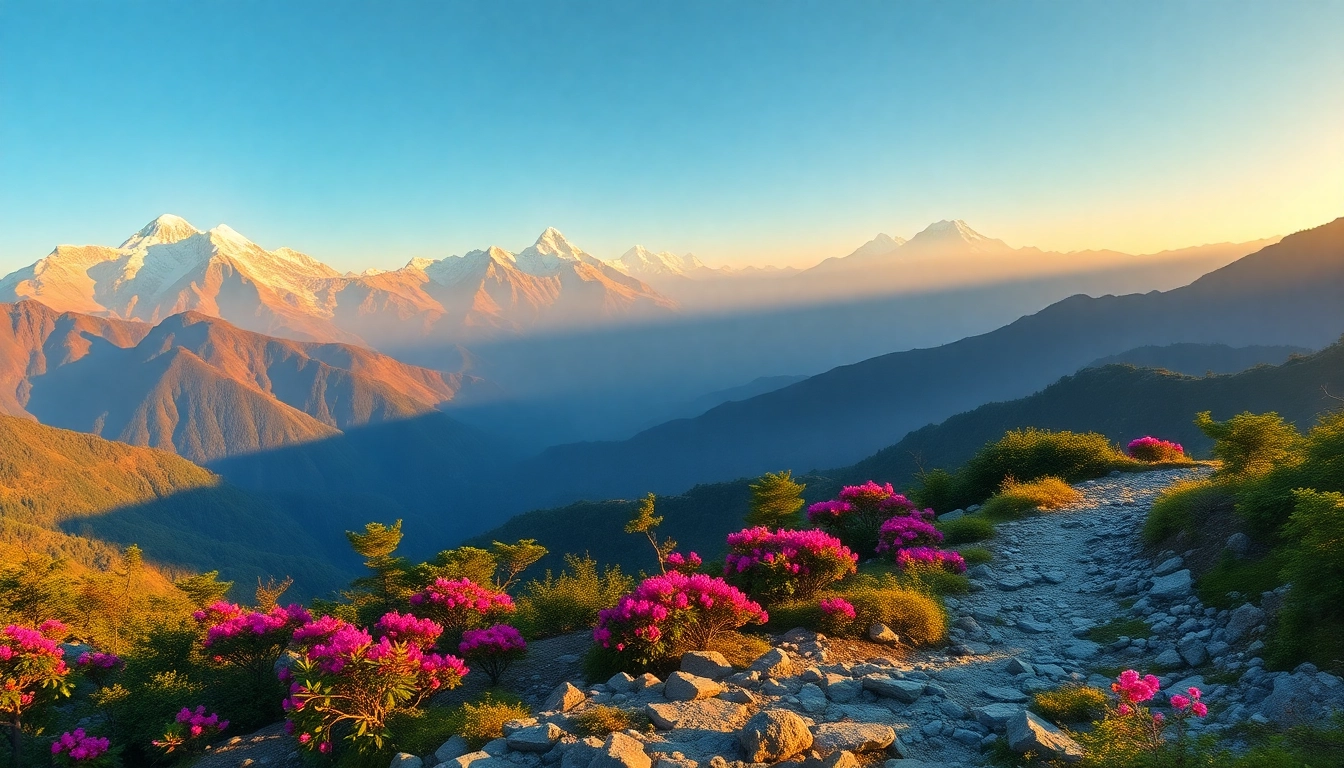
The sandakphu trek is not just a journey into the heart of the Himalayas, but an expedition filled with breathtaking views and an immersive experience of nature and culture. Nestled in the eastern Himalayas, the Sandakphu trek boasts of being the highest point in West Bengal, offering trekkers a glimpse of some of the world’s highest peaks including Mount Everest and Kanchenjunga. The trail winds through beautiful landscapes, lush forests, and quaint villages, making it an unforgettable adventure for both novice trekkers and seasoned explorers.
What Makes Sandakphu Trek Unique?
The Sandakphu trek stands out due to its distinctive features that differentiate it from other treks in the region. First and foremost, it provides an unparalleled view of four of the highest mountains in the world: Mount Everest, Kanchenjunga, Lhotse, and Makalu, famously known as the “Sleeping Buddha.” This unique vantage point draws many trekking enthusiasts and photographers eager to capture the spectacular sunrises and sunsets. Furthermore, the trek takes you along the India-Nepal border, allowing trekkers to experience a rich cultural blend, and offers diverse trekking paths that cater to varying skill levels.
Geographical Features and Weather
The trek typically begins from the small village of Manebhanjan and reaches Sandakphu at an altitude of 3,636 meters (11,929 feet). The geographical landscape varies greatly as you ascend, transitioning from verdant hills and abundant flora at lower altitudes to rocky terrains and alpine meadows higher up. Regarding weather, Sandakphu experiences four distinct seasons: spring, summer, autumn, and winter. The best time to trek is generally from April to June and again from September to November, where trekkers can expect clear skies, moderate temperatures, and stunning views.
Flora and Fauna Along the Trail
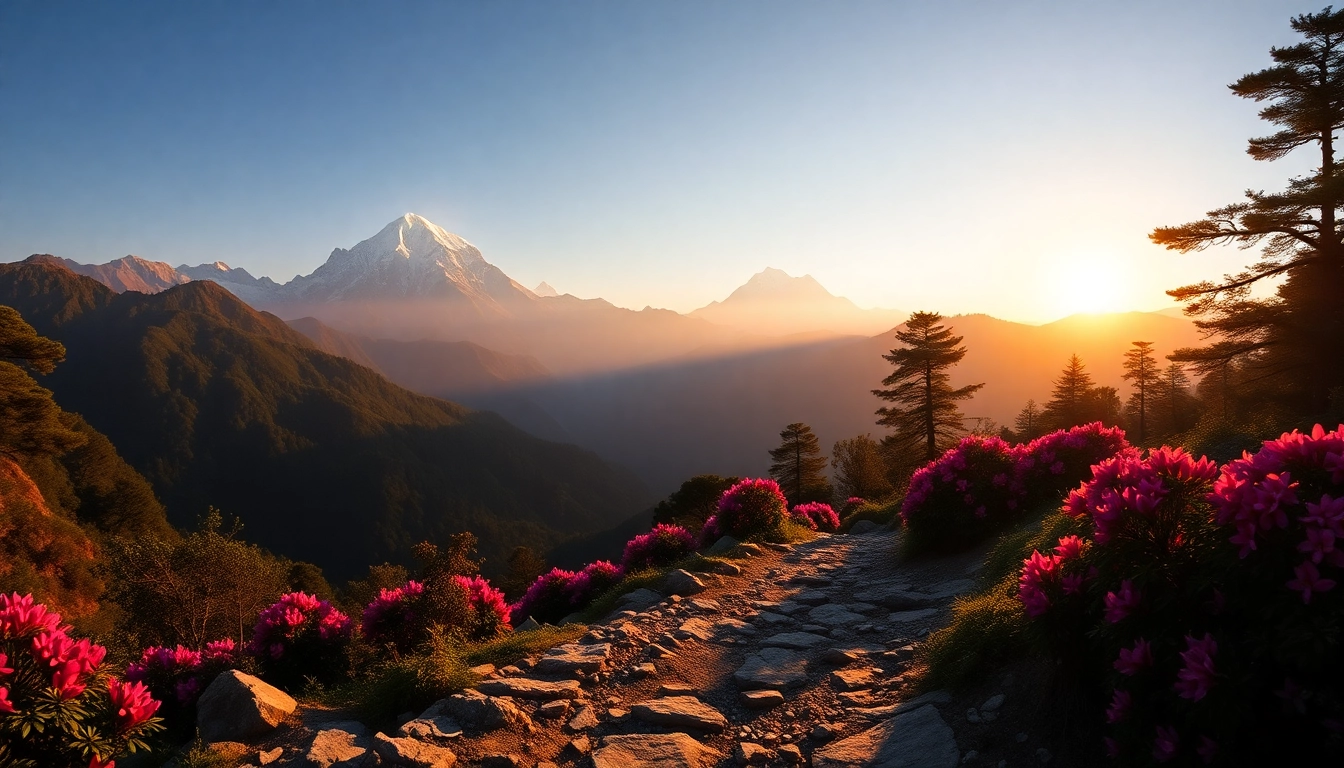
The Sandakphu trek is home to a diverse range of flora and fauna due to its varied climatic conditions and altitudes. The lower regions are characterized by dense rhododendron forests that bloom beautifully during the spring season. Wildlife enthusiasts might encounter species such as the red panda, Himalayan black bear, and various birds and butterflies. The trek provides not just scenic beauty but also an opportunity to learn about unique Himalayan biodiversity.
Planning Your Sandakphu Trek
Planning is essential for a successful Sandakphu trek. From gear selection to route planning, the right preparation can significantly improve your trekking experience.
Essential Gear for the Sandakphu Trek
Proper gear is crucial for comfort and safety on the trek. Key items to include are:
– Sturdy trekking boots to handle rocky paths.
– Warm, layered clothing for fluctuating temperatures.
– A good quality sleeping bag rated for cold temperatures.
– Headlamps for early morning or late evening treks.
– First aid kit, including altitude sickness medication.
– Trekking poles for stability on uneven ground.
Ensure you check the weather forecast before packing, as conditions can be unpredictable.
Creating Your Ideal Itinerary
The typical Sandakphu trek spans around 6-7 days, covering approximately 50-65 kilometers round trip. A suggested itinerary may look like this:
– Day 1: Drive to Manebhanjan, trek to Chitrey.
– Day 2: Trek from Chitrey to Tumling (Nepal).
– Day 3: Tumling to Kalapokhri.
– Day 4: Kalapokhri to Sandakphu.
– Day 5: Explore Sandakphu and its surroundings, return to Kalapokhri.
– Day 6: Trek back to Tumling and onward to Manebhanjan.
Each day’s plan allows ample time to acclimatize and appreciate the landscape.
Choosing the Right Trekking Season
The best seasons for the Sandakphu trek can vary based on personal preferences. Spring sees blooming rhododendrons, while autumn offers crisp skies and stunning views. Monsoon can bring challenges such as slippery trails, while winter may hinder accessibility but offers a serene, snow-covered landscape. Analyzing your preferences for scenery, weather, and crowd levels is essential in selecting the optimal season for your trek.
Preparation Tips for the Sandakphu Trek
Adequate preparation minimizes risks and enhances enjoyment. Here are some key preparation tips:
Physical Conditioning for Trekkers
Building physical endurance is vital. Start a training program at least a few weeks before your trek, focusing on cardio exercises like running, cycling, or swimming. Include strength training to build your core and leg muscles, and incorporate hikes with a weighted backpack. Aim for at least 3-5 training sessions per week, gradually increasing duration and intensity.
Navigating Altitude and Weather Changes
Altitude acclimatization is crucial to avoid altitude sickness. Gradual ascent, staying hydrated, and consuming high-carb foods can facilitate acclimatization. Be mindful of symptoms like headaches, dizziness, or nausea. Weather changes can also happen rapidly, so being prepared for rain, wind, and snow is necessary. Dress in layers to manage temperature fluctuations effectively.
First Aid and Safety Tips
Carry a compact first aid kit, including essentials for treating bruises, scrapes, and altitude sickness. Familiarize yourself with basic first aid techniques. Trekking in groups and ensuring a quick communication method (like a whistle) can enhance safety. Always share your plans and keep emergency contact details handy.
Experiencing the Beauty of Sandakphu Trek
The trek to Sandakphu is filled with unforgettable experiences and scenic beauty.
Must-See Scenic Spots on the Trek
Along the trail, various viewpoints offer breathtaking panoramas:
– Buddhist Monastery in Tumling: Offers a spiritual start to your journey.
– Kalapokhri Lake: Known for its serene beauty, nestled amid mountainous backdrops.
– Sandakphu Peak: Provides the most stunning views of the Himalayas, especially during sunrise.
Stopping at these scenic spots allows for rests and photo opportunities, enriching your trekking experience.
Local Culture and Interaction
Engaging with local communities enriches the trek. The hospitality of the Nepali-speaking Tamang people provides valuable insights into their culture. Sharing stories, trying local dishes such as momos (dumplings), and appreciating their traditions make the experience holistic and memorable.
Photography Tips Along the Trail
Capture the essence of your trek through effective photography techniques:
– Use the golden hours (early morning or late afternoon) for softer light and stunning colors.
– Experiment with different angles, perspectives, and compositions.
– Consider using a tripod for stability, especially in low-light situations.
Always respect the local environment and communities while photographing.
Frequently Asked Questions about Sandakphu Trek
How Difficult is the Sandakphu Trek?
The trek is rated as moderate, suitable for trekkers with reasonable fitness levels. Challenges mainly arise from long hours of walking and changing altitudes, but the trail isn’t overly steep.
What is the Best Time to Go on Sandakphu Trek?
The best months to undertake the trek are April, May, October, and November. These periods provide clear views and pleasant weather, ideal for trekking conditions.
Can Beginners Enjoy Sandakphu Trek?
Yes, the Sandakphu trek is beginner-friendly, provided trekkers are in good physical shape. It covers 50 kilometers and features moderate terrain, making it accessible for new hikers.
What Are the Key Highlights of the Sandakphu Trek?
Key highlights include stunning views of the Himalayan peaks, diverse flora and fauna, the rich culture of local communities, and an opportunity to experience the tranquility of the region.
How Long is the Sandakphu Trek?
The Sandakphu trek typically takes about 6-7 days, covering a round trip distance of approximately 50-65 kilometers, making it manageable for most trekkers.
About the Author